
The recorded history of chess goes back at least to the seventh century in India.
Today, chess is one of the world’s most popular games, played by millions worldwide.
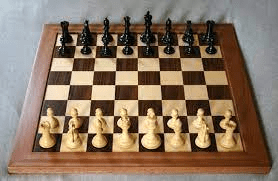
Chess is an abstract strategy game. Chessboard has 64 squares arranged in an eight-by-eight grid. At the start, each player controls sixteen pieces: one king, one queen, two rooks, two bishops, two knights, and eight pawns. White moves first, followed by Black. Checkmating the opponent’s king involves putting the king under immediate attack (in “check”); there is no way for it to escape. There are also several ways a game can end in a draw.
Playing chess can improve cognitive skills like memory, planning, and problem-solving. It may also help reduce symptoms of certain brain conditions.
The game of chess is loved all over the world for the following reasons:
- It can raise your IQ;
- It helps prevent Alzheimer’s;
- It exercises both sides of the brain;
- It increases your creativity;
- It improves your memory;
- It increases problem-solving skills;
- It improves reading skills.
Skills : Kids Learn at Chess Camp:-
- Problem-Solving;
- Abstract Reasoning;
- Calmness Under Pressure;
- Patience;
- Sportsmanship;
- Creative Thinking;
- Pattern Recognition;
- Strategic Thinking.
Playing chess every day improves mental and emotional health and well-being. This practice also enhances critical skills such as problem-solving and patience. It also improves self-confidence, brain health, and memory. It helps to foster mathematical skills.

 ABLES INDIA