A resume is a formal document of a job applicant, a summary of personal and professional experiences, skills, and educational history. A cover letter accompanies it, in which the applicant expresses an interest in a specific job or company and draws attention to the most relevant specifics on the resume.
Steps of resume writing
- Choose the resume format & layout;
- Mention your details & contact information;
- Use a resume summary;
- List your work experience & achievements;
- Mention your soft & hard skills;
- Include languages and hobbies;
- Update relevant information;
- Draft a cover letter;
- Proofread Your Resume and Cover Letter.
Tips for composing your resume
- Keep it concise;
- Give detail whenever possible;
- Highlight things you are good with;
- Format it;
- Be honest and accurate.
Your resume communicates qualifications and eligibility—who you are and what makes you different—to employers and recruiters.
Ideally, the resume has to be one page, but a two-page one works well for many job candidates. The extra page can be necessary to communicate all of the skills and experience the employer needs to see.
Hard Skills for a Resume:
- Technical skills include specialized knowledge and expertise in fields such as IT, engineering, or science;
- Computer Skills;
- Analytical Skills;
- Marketing Skills;
- Presentation Skills;
- Management Skills;
- Project Management Skills;
- Writing Skills.
Typically, a resume will include the following parts:
- The header: your name, address, phone number, and email;
- A professional Objective is a phrase or sentence that highlights your intentions and accomplishments;
- Qualifications Summary;
- Education;
- Experience.
The most commonly used resume types are chronological, combination, and functional. For most people, the reverse-chronological resume format is the best option. It means listing your work experience and education in reverse chronological order, starting with the most recent position and working backward through previous jobs or degrees.
The best resume font sizes are 11-12pt for text and 14-16pt for section titles and headers. The most-used resume formatting order is Contact information, work experience, skills, and education.
To crack a business deal, one must have a professional visiting card. If the interview is a business meeting, your Resume/CV is your visiting card. It helps you to –
- Stand out among all applicants;
- Grabs the attention of employers and recruiters;
- Sells your skills and accomplishments;
- Shows how you’re a match for a position or project;
- And most importantly, you get a job interview!
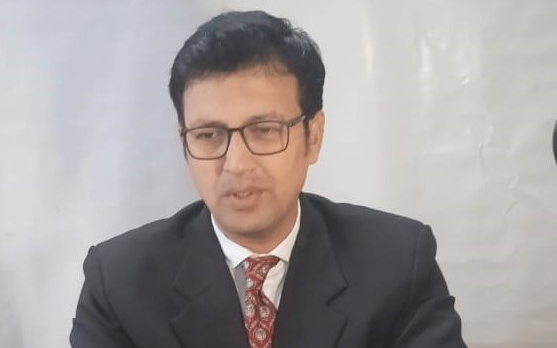
Amol Dixit – Career Coach

 ABLES INDIA