
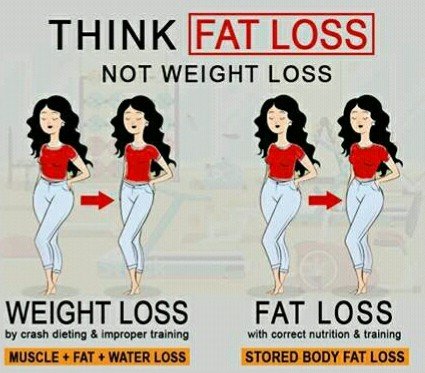
Fat loss refers to a decrease in body fat. It is a healthier outcome as it focuses on reducing the primary contributor to various health risks.
Why Fat Loss is Preferred:
- Health Benefits: Reducing body fat, particularly visceral fat (around the organs), is associated with lower risks of chronic diseases like type 2 diabetes, heart disease, and certain cancers.
- Improved Body Composition: Fat loss can lead to a more desirable body composition, with a higher percentage of lean body mass (muscle) and less fat.
- Long-Term Health: Maintaining healthy body measurements and composition enhances overall health and well-being in the long run.
How to Focus on Fat Loss:
- Calorie Deficit: Creating a calorie deficit (consuming fewer calories than you burn) is essential for fat loss.
- Balanced Diet: Prioritize nutrient-rich foods, including protein, healthy fats, and complex carbohydrates.
- Physical Activity: Combine regular cardio with strength training to burn calories and build muscle, which can further enhance fat loss.
- Track body measurements and progress: Monitor body measurements and composition changes to assess progress and make necessary adjustments.
How to burn body fats:
- Avoid sugar intake,
- Avoid vegetable oil intake,
- Balanced diet,
- Be Active,
- Fitness regime that suits you,
- Focus on the body measurements and clothes fit more than reading a scale,
- Hang out with health-focused friends,
- Discuss with the right person.
In summary, fat loss is the more targeted and healthier goal, focusing on reducing the primary contributor to health risks and improving overall body composition. o health risks and improving overall body composition.


 ABLES INDIA