Balanced Life

Once, I saw gymnasts performing artistic gymnastics; they impressed me with their balance.

I realized that one can achieve this through proper training, regular practice, and dedication.

It enlightened me.

When we live in balance, we live with peace and harmony.

A balance leads to a happy and contented life; it ensures our growth as an individual and secures our mental peace and well-being.

Here is how to balance life:

  1. Assess your life as it is now;
  2. Make a conscious decision to become balanced;
  3. And make that decision on a minute-to-minute schedule;
  4. Set goals in every area of your life;
  5. Be willing to take the risk;
  6. Make time to reassess yourself daily.

The different aspects of a balanced life include:

  1. Physical balance :

A healthy body helps us to live our lives to the fullest.

Here are some tips for physical balance:

  • Stick to a balanced diet;
  • Exercise regularly to keep your body fit ;
  • Get Sunlight;
  • Drink enough water;
  • Breathe consciously;
  • Enhance your immunity.

2. Mental balance:

Mental balance means having a positive outlook, focusing on good habits, and lowering stress.

3. Emotional Balance :

Emotional balance occurs when one becomes emotionally intelligent.

One has to be aware of emotions and know how to regulate them.

Empathy is the key.

Try to develop your emotional intelligence to achieve emotional balance in your life.

4. Social Balance :

We all are social living beings. We need to develop our interpersonal skills to live harmoniously in society.

5. Work-Life Balance :

A working individual needs time allocated for work and other aspects of life. Areas of life other than work include personal interests, family, and social or leisure activities.

Steps for work-life balance :

  • Step 1: Set your priorities;
  • Step 2: Track your time;
  • Step 3: Concentrate on one thing at a time;
  • Step 4: Schedule one thing you look forward to each day;
  • Step 5: Respect your private time;
  • Step 6: Take a look at your habits and general lifestyle;
  • Step 7: Take a vacation;
  • Step 8: Ask for support.

The components of work-life balance:

  • Self-management – Sufficiently managing yourself can be challenging, particularly in getting proper sleep, exercise, and nutrition;
  • Time management – Manage your priorities and allocate time for accomplishing them ;
  • Stress management – Manage your stress to a healthy level with hobbies, meditation, and asking for help;
  • Manage the change – Life is an ever-changing process. We need to develop ourselves to cope with these changes;
  • Manage technology – Technology has become a part of our life. We need to accept it and master it to cope with the modern world;
  • Manage money – Proper investment is the key to managing our money. Invest in you and your assets for a secured future;
  • Managing leisure time – Give yourself time for your hobbies and relaxation. Do whatever makes you happy.

6. Spiritual balance :

It is the most neglected aspect of today’s life. Meditation plays a crucial role in spiritual balance.

When we focus too much on one area, then we risk neglecting another one.

It’s an art; we must master it for a balanced life.

One can achieve balance in life through continuous learning, training, and proper guidance.

As a life coach and success coach, I help my clients achieve balance in life, thus helping them to lead a happy and prosperous life.

Go back

Your message has been sent

Warning
Warning
Warning
Warning.

Stress Management

Stress is a commonly used word nowadays, from working people to non-working, and from post-graduates to school-going kids.

Before elaborating on this word, let us understand what stress is – ‘Stress is a natural feeling of not being able to cope with specific demands and events that makes you feel frustrated, angry, or nervous.’

Now, let us understand why anyone gets stressed. It is a natural reaction to pressure caused by several factors :

  • Inability to accept failure or uncertainty;
  • Negative self-talk;
  • Unrealistic expectations;
  • Unpreparedness;
  • Life transitions;
  • Competitiveness;
  • Comparisons with others;
  • Family issues;
  • Relationship difficulties.

Whenever anyone gets stressed, there are some unwanted symptoms :

  • Rapid heartbeat;
  • Headache;
  • Stiff neck;
  • Tight shoulders;
  • Backache;
  • Rapid breathing;
  • Sweating and sweaty palms;
  • Upset stomach, nausea, or diarrhea;
  • Sleep trouble;
  • Weakening of the immune system;
  • Negative/self-critical thinking; 
  • Confusion; 
  • Racing thoughts; 
  • Going blank;
  • Difficulties with problem-solving.

There are many myths about stress. The most common one is that it is not at all good; however, the facts are :

  • It is not at all bad;
  • It is a strong incentive for individuals to do their best;
  • It poses a challenge for individual achievement;
  • It can be positive, helping you to be motivated and focused;
  • Low levels of stress are manageable, in fact, necessary & normal.

If there is an issue, then there will be a solution. 

Here are some necessary STEPS to overcome stress :

  • Identifying stress factors;
  • Identify stress relievers;
  • Manage your Time;
  • Relax;
  • Follow routine;
  • Ask for help;
  • Practice breathing techniques;
  • Exercise.

There is a key for every lock; just make an effort to search for that key…✍️

Stress Management Coach

Go back

Your message has been sent

Warning
Warning
Warning
Warning.

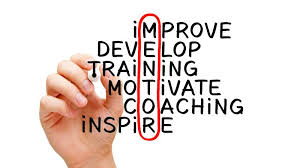
Mentoring and its benefits

Everyone in this world needs proper guidance to be successful in their career and life.

The person who provides that guidance is called a mentor. The process of providing that guidance, sharing knowledge, skills, and life experience to guide another towards reaching their full potential is mentoring.

Let us further understand what mentoring is :

  • It is a positive, supportive relationship, encouraging young people to develop to their fullest potential;
  • It entails informal communication, usually face-to-face and during a sustained period;
  • A mentor passes skills and knowledge to the mentee;
  • It is a long-term process based on mutual trust and respect;
  • It is more focused on creating an informal association between the mentor and mentee;
  • It is a learning relationship, generally focused on long term career development;
  • It offers the chance to improve communication skills and develop leadership abilities;
  • It helps to grow their confidence in areas of expertise;
  • The primary purpose is personal growth, building skills, knowledge, and understanding.

A mentor invests their time and effort into their mentorship duties and truly wants to help a mentee grow in their personal and professional life.

download

Benefits of having a Mentor

  • Encouragement and support for growth and improvement;
  • Guidance/collaboration;
  • Advice;
  • Building a professional network;
  • Receiving feedback on behavior;
  • Open your mind to new ideas and possibilities;
  • Identify opportunities and advise on how to promote yourself;
  • The growth opportunity will be immense.

Mentoring depends on trust, confidentiality, mutual respect, and sensitivity. A mentor may help with exploring careers, setting goals, developing contacts, and identifying resources.

Eight Tips for Getting the Most Out of Mentoring :

  1. Spend time with your mentor;
  2. Articulate your goals and objectives;
  3. Come to meetings prepared;
  4. Have your mentor observe you in action;
  5. Build your network.

Friends, looking at the benefit of mentoring and having a mentor, one must go for mentoring. It will be beneficial for your personal and professional growth.