Hard Skills vs. Soft Skills

In this competitive world, employers look for soft skills rather than hard skills in their candidates. It is easy to teach hard skills, but it is difficult for employers to teach soft skills.

Candidates with good soft skills tend to get promoted gradually. They can get along with the team they work with, adapt to changes at the workplace and in the market.

I have noted down some differences between hard skills and soft skills. These differences will help you understand the importance of soft skills and their implementation.

Soft skillsHard skills
  1. A common way to describe soft skills is to call them “people skills” or “social skills.”  1. Hard skills are specific abilities that help people carry out different jobs.
  2. To be good at soft skills usually takes Emotional Intelligence or EQ.2. To be good at hard skills usually takes IQ
3. One needs to understand and implement them to master soft skills.    3. Hard skills can be learned in school and from books. Hard skills are specific, teachable abilities that can be defined and measured.
  4. Soft skills are usually self-taught and self-developed. One needs to be self-motivated or motivated to acquire them.  4. Hard Skills are a set of special skills that are obtained through years of practice or learning.
  5. Soft skills are less tangible and harder to quantify, such as etiquette, getting along with others, listening, and engaging in small talk.  5. These skills are easily visible, tangible, and well-defined. These skills vary from person to person in quality and quantity.
  6. Soft skills are more personality-oriented interpersonal skills, such as teamwork, flexibility, patience, persuasion, and time management. Because employers have an easier time teaching new hires hard skills, employers often look for job applicants with specific soft skills instead.  6. Hard skills are usually related to a particular field, and require specific knowledge in order for them to be gained. Hard skills are often listed on a job applicant’s cover letter and resume so employers know the applicant’s qualifications for an open position.
7. As such they are becoming increasingly valuable to all employers, as it helps them to understand how you will fit in with their working environment and how you will perform as one of their employees.    7. Hard skills are those that you need to be able to perform a particular job. These often vary depending on the type of role you will be performing or the industry in which you will be working in. They can usually be developed through on-job training.
  8. Soft skills are subjective skills that are much harder to quantify. Also known as “people skills” or “interpersonal skills,” soft skills relate to the way you relate to and interact with other people.8. These hard skills are often listed in your cover letter and on your resume and are easy for an employer or recruiter to recognize.
  9. The difficulty of teaching and defining soft skills for a job is the reason why a list of soft skills on a resume is valued. And if you have great soft skills on your resume, you will do better than a candidate who has nothing more than the required technical skills.9. The beautiful thing about hard skills is that you can learn new ones at any time. Plus, once you learn a hard skill, it’s transferable, meaning that you can take those hard skill abilities along wherever your career takes you.
  10. Soft Skills are a set of skills or traits that include behavior, communication skills, teamwork ability, management skills, appropriate attitude, etiquette, self-presentation, etc.  10. Hard skills are quantifiable, such as proficiency in a foreign language, earning a degree or certificate, operating a machine, or programming a computer.
  11. Soft skills can be termed as personal attributes and grace that helps in maintaining better relationships as well as a sense of harmony between people. Soft skills include your interpersonal abilities—your communication skills and how you relate to others.11. There are typically designated levels of competency and a direct path for excelling.
12. Examples of soft skills are : Ability to work under pressure, Decision making, Time management, Self-motivation, Leadership, Adaptability , Teamwork, Creativity, Interpersonal Skills, Leadership, Project management, Problem-solving, Ethics, Perseverance, Communication skills, Communication or networking skills, etc.  12. Examples of hard skills are : A degree (or other academic qualification). An industry-specific certification, Coding ability, Typing speed, Computer skills, Proofreading, A degree or certificate in a particular field or industry, Applied science, Computer programming, Editing, Engineering, Foreign language skills (speaking, reading, writing), Machine operation, etc.
Employability skills, Life Skills, Soft skills and Corporate Trainer

Group Discussion

The Group Discussion, or GD, is a crucial elimination round in an interview process that candidates must participate in after passing their aptitude test or written exam. 

It is a crucial aspect of a jobseeker’s journey through interviews.

Many companies shortlist candidates basis their performance in group discussions, as it helps them gauge their ability to speak in large groups of people. Group discussion allows employers to identify personality traits like leadership, confidence, and interpersonal and teamwork skills of potential employees.

Usually, 10-15 candidates participate in the group discussion.  

Panelists give the topic to gauge the candidates and check whether the candidate possesses the required traits and skills for the position.

You can expect any topic for a group discussion, such as current affairs, general knowledge, global politics, great personalities, prevalent ideas, and social issues.

Important Group Discussion Tips:

  • Reasoning ability;
  • Ability to think and act independently;
  • Leadership skills;
  • Communication skills;
  • Teamwork abilities;
  • Initiative-taking ability;
  • Flexibility and boldness;
  • Managerial qualities.

Here are some rules for group discussion:

  • Everyone is welcome to have a say;
  • We listen to each other and show respect for each other;
  • We have one person speaking at a time in groups;
  • Even if we disagree, we don’t judge others;
  • We always treat each other with respect.

Tips to Win the Group Discussion :

  1. Groom yourself;
  2. Be aware of topics relating to your background;
  3. Always carry a pen and notebook;
  4. Initiate the discussion, if possible;
  5. Communicate effectively;
  6. Listen carefully;
  7. Work on your body language;
  8. Maintain eye contact while speaking;
  9. Be a good listener;
  10. Speak well and aloud;
  11. Maintain Decorum;
  12. Avoid deviating from the topic;
  13. Be the first to summarize the discussion.

Self-Investment – I

I follow Warren Buffett, one of the greatest investors, for his views on investment.

In an essay celebrating Forbes’ 100th anniversary, billionaire Warren Buffett insisted that self-investment “supersedes” all other investments. He revealed how he overcame his weakness of public speaking early in his career. He enrolled himself in a course to improve his skills. As his speaking skills improved, his confidence grew. 

According to Warren Buffett, improving your talent is an investment no one can take away from you. It is like an investment worth making.

Why is investing in self so powerful?

Investing in self sends a powerful message to self and the world that you are born to live, earn, and succeed. You will never get a better return on life than when you truly invest in yourself.

Self-investment means:

  • You believe in yourself;
  •  You plan for your own personal and professional development;
  •  You are engaged in a continuous, mindful, lifelong learning strategy;
  •  You have taken the time to identify what you don’t know instead of letting others tell you what they think you don’t know;
  •  You pursue ideas, programs, and training that are a step or two or three beyond your current level of comprehension;
  •  You make yourself travel on a path of self-discovery and self-worth;
  •  You are willing to make investments in enhancing your abilities;
  •  You are giving yourself honest feedback and working with others who will provide you with direct feedback.

Invest as much as you can in self-starting right now, and you will see returns beyond anything you could imagine. Investing in yourself means investing in your future. Material things come and go, but your knowledge stays with you.

Here are some ways to help you make the most of your investment –

  • Set goals;
  • Cultivate positive habits and stick to them with a daily routine;
  • Invest in building your confidence;
  • Invest in learning, surround yourself with excellence;
  • Attend seminars, conferences, meetings, and workshops;
  • Choose to be happy and healthy;
  • Invest in a Mentor / Coach.

Invest in self for a happy and prosperous life – ABLES

Importance of EQ (Emotional intelligence)

An emotional quotient (EQ) or emotional intelligence is the ability to identify, assess, and control the emotions of oneself, others, and groups. 

People with high EQ can :

  • Manage emotions;
  • Monitor emotions;
  • Label them appropriately;
  • Use emotional information to guide thinking and behavior;
  • Use them for positive thinking;
  • Identify, evaluate, control, and express their own emotions;
  • Understand emotional meanings. 

People with high EQ generally achieve more, excel at teamwork and service, and take more initiative. 

From an early age, encouraging qualities like sharing, thinking about others, putting oneself in another person’s shoes, giving space, and the general principles of cooperation can inculcate emotional awareness in children.

EQ is partially determined by how a person relates to others and maintains self-control. Through effective coaching, young adults can also enhance their EQ.

Some strategies for teaching emotional intelligence include offering character education, modeling positive behaviors, encouraging people to think about how others are feeling, and finding ways to be more empathetic toward others.

Many people think EQ is only about being good at interconnecting with people, which can be, but it starts with your self-perception and levels of self-awareness. The change will only happen when you are aware of your emotions…✍️

A high EQ will get you through life.

Emotional Intelligence Coach

Importance of Personality Development and Communication skills ( Marathi )

Everyone is born unique; we all possess certain traits that make us unique. These traits define who we are and how we respond to situations.

Personality and Professionality Development means enhancing and grooming our outer and inner selves to bring about a positive change in our life.

Skill Development

Through self-development, one can achieve Skill development.

Improved training and skill development are critical for providing decent employment opportunities to the growing youth population. It should aim to empower all individuals through improved skills, knowledge, and qualifications to provide access to decent employment.

Self-development is a lifelong process. It is a way for people to assess their skills and qualities, consider their aims in life, and set goals to realize and maximize their potential.

Self-development can be initiated or achieved in personality development sessions and training. It covers activities that improve awareness and identity and develop talents.

The topics can encompass anything that involves your transformation as a person. It means becoming the best you can be and reaching your potential. It is usually achieved by looking internally and then changing your action externally. It demands a lot of effort, knowledge, passion, and dedication.

Self-development sessions should be able to create the following results among students/participants:

  • Improved self-awareness;
  • Improved self-knowledge;
  • Improved skills by learning new ones;
  • Building or renewing identity/self-esteem;
  • Developed strengths or talents;
  • Improvement in a career;
  • Identifying potentials;
  • Employability;
  • Enhancement of lifestyle, the quality of life, and time management;
  • Improvement of health;
  • Improvement of wealth or social status;
  • Improvement in social relations or emotional intelligence.

Be a ‘better’ person than you were yesterday.

Employability Skills Trainer

Stress Management

Stress is a commonly used word nowadays, from working people to non-working, and from post-graduates to school-going kids.

Before elaborating on this word, let us understand what stress is – ‘Stress is a natural feeling of not being able to cope with specific demands and events that makes you feel frustrated, angry, or nervous.’

Now, let us understand why anyone gets stressed. It is a natural reaction to pressure caused by several factors :

  • Inability to accept failure or uncertainty;
  • Negative self-talk;
  • Unrealistic expectations;
  • Unpreparedness;
  • Life transitions;
  • Competitiveness;
  • Comparisons with others;
  • Family issues;
  • Relationship difficulties.

Whenever anyone gets stressed, there are some unwanted symptoms :

  • Rapid heartbeat;
  • Headache;
  • Stiff neck;
  • Tight shoulders;
  • Backache;
  • Rapid breathing;
  • Sweating and sweaty palms;
  • Upset stomach, nausea, or diarrhea;
  • Sleep trouble;
  • Weakening of the immune system;
  • Negative/self-critical thinking; 
  • Confusion; 
  • Racing thoughts; 
  • Going blank;
  • Difficulties with problem-solving.

There are many myths about stress. The most common one is that it is not at all good; however, the facts are :

  • It is not at all bad;
  • It is a strong incentive for individuals to do their best;
  • It poses a challenge for individual achievement;
  • It can be positive, helping you to be motivated and focused;
  • Low levels of stress are manageable, in fact, necessary & normal.

If there is an issue, then there will be a solution. 

Here are some necessary STEPS to overcome stress :

  • Identifying stress factors;
  • Identify stress relievers;
  • Manage your Time;
  • Relax;
  • Follow routine;
  • Ask for help;
  • Practice breathing techniques;
  • Exercise.

There is a key for every lock; just make an effort to search for that key…✍️

Stress Management Coach

Go back

Your message has been sent

Warning
Warning
Warning
Warning.

Personality and Professionality Development (PPD)

Everyone is born unique; we all possess certain traits that make us unique. These traits define who we are and how we respond to situations.

Personality and Professionality Development means enhancing and grooming our outer and inner selves to bring about a positive change in our life.

We, at the program, will discuss and concentrate on traits that are essential to be successful in Life, Relationships, Education, Career, and many other aspects of life.

This program will help participants in the following ways:

  • To understand yourself and others in a better way and to look at the world with a positive perspective;
  • It will help you to know about the traits which you have and which you need to develop;
  • It will help to know your strengths and weaknesses;
  • In initiating the process of boosting confidence;
  • Improving communication and language speaking abilities;
  • Widening your scope of knowledge;
  • Developing certain hobbies or skills;
  • Learning etiquette and manners;
  • Adding style and grace to the way you look, talk, and walk.

After all, a personality and professional development program is nothing but a tool that helps everyone to –

  • To create a good impression about themselves on others;
  • To build and develop relationships;
  • In education and career;
  • Improving your financial needs.
Coach and Trainer

The Importance of Communication Skills for Women

The woman has her aspiration, abilities, and qualities; she should have the opportunities to develop her faculties and express them according to her own choice.

Women are the primary caretakers of children and elders in every country of the world. Women take the lead in helping the family to adjust to new realities and challenges. They are likely to play a crucial role in facilitating (or hindering) changes in family life.

Education is key to a nation’s ability to develop and achieve sustainability targets. She plays a crucial role in the development of the emotional and educational aspects of the child. The mother in the family most often urges children to attend and succeed in school. She plays the role of first educator and disciplinarian of the child.

Today, the median female share of the global workforce is 45.4 percent. The role of women in the urban and rural workforce has expanded exponentially in recent decades.

Being a principal member of a family, society, and nation, every woman should learn to express herself positively. She must learn to communicate and inspire her kids, family, and friends to achieve the best they can.

Enhancing communication skills is the key to further development in the following ways:

  • Expressing herself positively;
  • Understanding verbal and non-verbal communication;
  • Speaking assertively;
  • Listening with an intent to respond;
  • Relating to others.

Every woman must take a decisive step in enhancing communication skills for professional and personal progress…✍️

Amol Dixit – Personal and Relationship Coach

Positive Attitude

In my training sessions, I help my clients to understand an attitude and how important it is.

Attitude is a way of feeling or acting toward a person, thing, or situation. Many people may not always be aware of their attitude or the effect it is having on behavior. 

There are two types of attitudes : Negative or Positive.

Let’s try to understand what is a positive attitude and its importance.

Studies have also shown that having a positive attitude makes your view of life seem broad, full of possibilities. Positive thinking helps with stress management and can even improve your health. 

  • A positive attitude is a state of mind that envisions and expects favorable results;
  • A positive attitude means positive thinking. It is optimism and maintaining a positive mindset. It is a mental attitude that focuses on the bright side of life. In other words, positive thinking is the process of creating thoughts that create and transform energy into reality;
  • A positive mind waits for happiness, health, and a happy ending in any situation;
  • A positive attitude doesn’t mean ignoring life’s troubles. It just means being an optimist and looking for the good in things rather than being a pessimist.
  • A positive attitude is a guide to leading a positive life.

Maintaining a positive attitude through the ups and downs is necessary for every aspect of life: your social status, your work, your health, and your relationships.

  • A positive attitude brings positive opportunities;
  • A positive attitude can land you in successful or win-win situations;
  • A positive attitude will help you to get well from illness due to its placebo effects;
  • A positive attitude makes your presence enjoyable;
  • A positive attitude will lead you to a successful life.

Here are some steps to be in a positive frame of mind:

  • Know yourself;
  • Keep a gratitude journal;
  • Maintain a circle of positive people;
  • Develop your personality;
  • Enhance your abilities and skills;
  • Reframe your challenges.
  • Accept failures;
  • Use positive words to describe your life;
  • Stop complaining;
  • Try to find the good in everything;
  • Just Breathe;
  • Have solutions when pointing out problems;
  • Smile;
  • Make others smile.

A Positive Attitude is a must for Happy and Prosperous Life.

Counselor and Life Coach

Watch “Corporate Training by ABLES – enhancing abilities” on YouTube


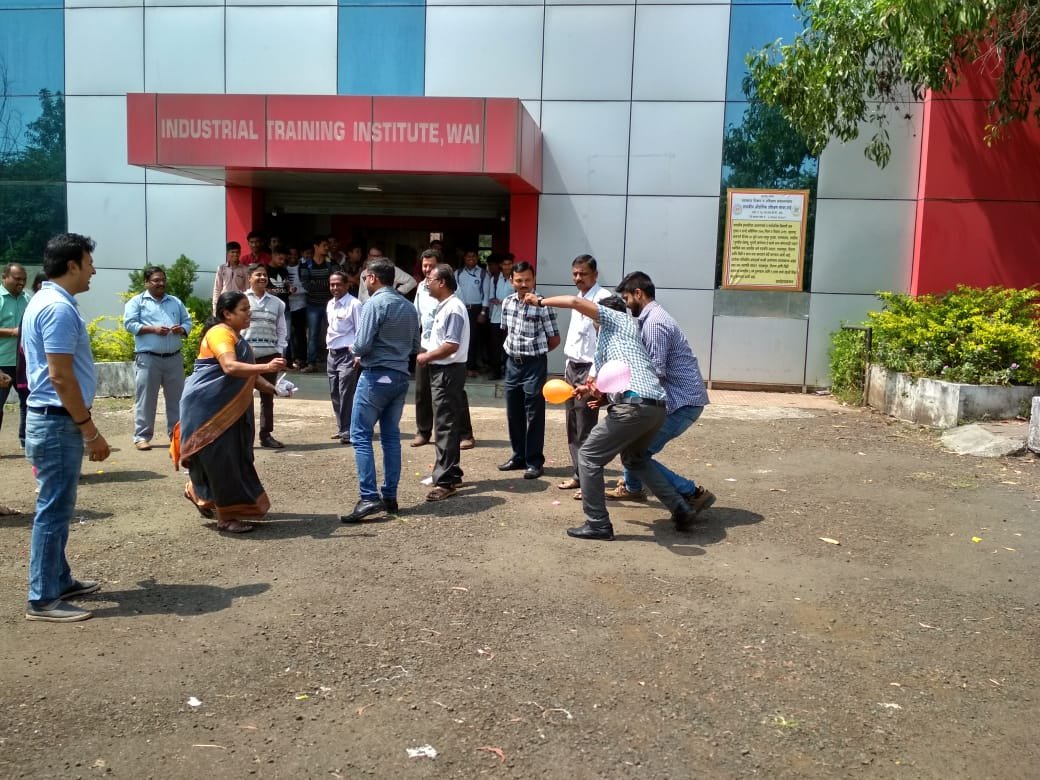
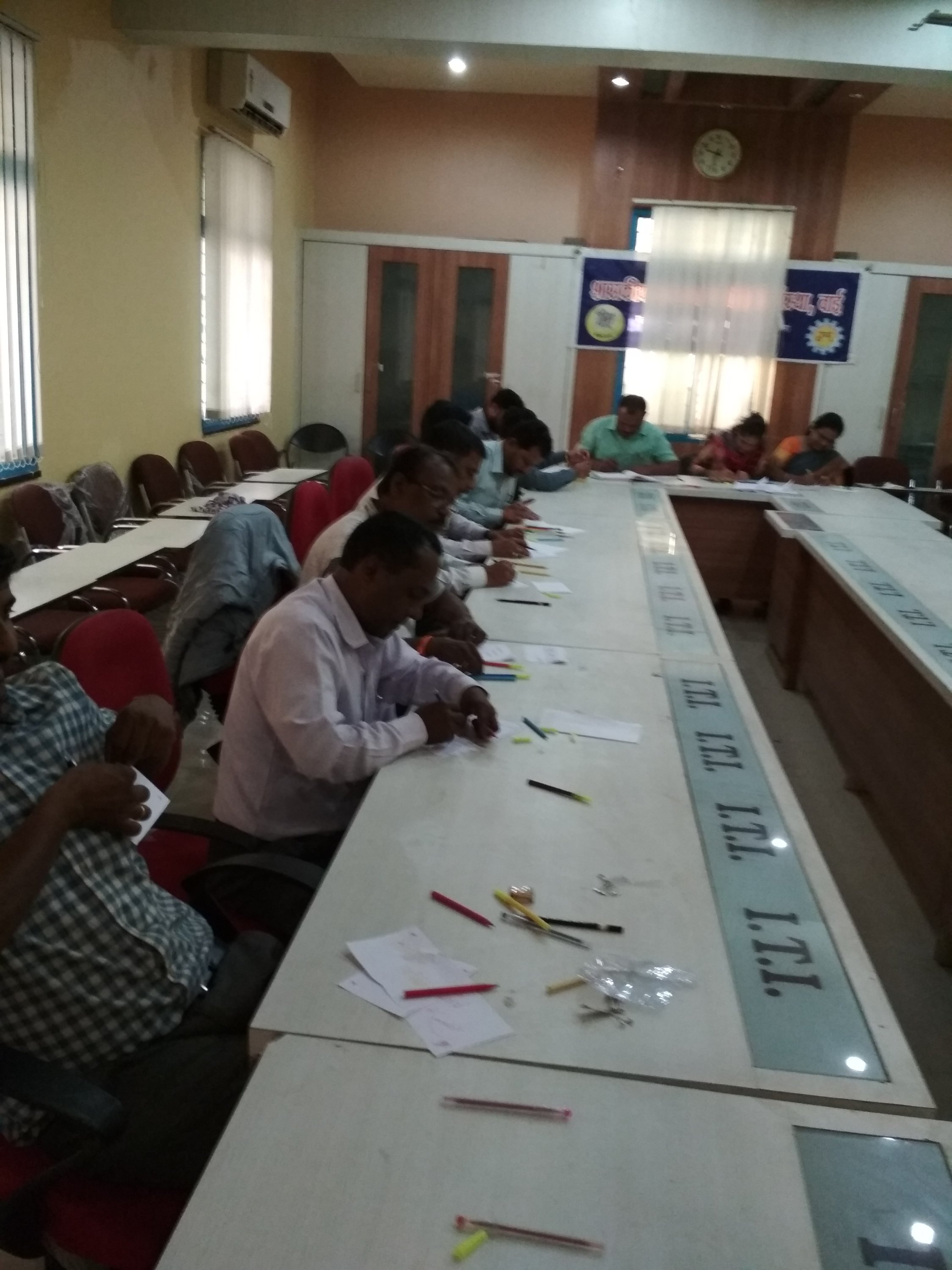
Corporate training program for Wai and Panchgani ITI staff at Wai on 13th Oct 2018.
Various activities were conducted to show important values of life and career. The most important of them were:

1. Team Building,
2. Communication skills,
3. Planning and coordination,
4. Positive Thinking,
5. Motivation.

The take-away session was a real eye-opener for all the participants. The views expressed in this session showed the positivity and enthusiasm they gained from this training.

Being happy is the best skill one can have and I try my best to develop that skill in all the participants of my training program.

_______________________________________________________________________________________

ABLES तर्फे Wai and Panchgani ITI staff साठी Corporate Training घेण्यात आली ।

ह्या training मध्ये :

1. Team Building,
2. Communication skills,
3. Planning and coordination,
4. Positive Thinking,
5. Motivation.

ह्या विषयांबरोबर अनेक विषयांवर विविध activities द्वारे मार्गदर्शन करण्यात आले ।

Take-away session मध्ये सर्वांनी सुंदर मते मांडली ।

Smile for your success !!!

It was a pleasant morning. I was getting ready for the lecture for students of the renowned institute. The topics for the session were scrolling in my mind.

I was about to leave, thought to have a last glance at the mirror. Everything was fine, my dressing, my posture, absolutely ready for the session

My mirror image: Hey! you are missing something, Amol.

I had a close look at myself, my clothes, my ID card…

My mirror image: Amol, something is missing.

I was then worried about what was that; I was missing. I had a close look again.

Oh!!! I realized It was my smile !!!

I excused my mirror image and did some analysis.

It was the first session at that institute so, I was a bit stressed about the outcome of my session, which cost me my smile. I used my secret techniques; my smile was back on my face.

Then, again came to the mirror for approval.

My mirror image gave me a thumbs-ups: Complete man.

The smile changed my personality so positively; I started feeling confident and full of energy.

I was ready for my session on Personality and Professionality Development (PPD).

Like everyone’s, my smile too was contagious; it spread a wave of happiness to everyone in the session; needless to say, that session was a great success!!!

Smile

There was a smile on everyone’s face; it enhanced their abilities with more opportunities for success…✍️

Success Coach