I played professional cricket during my college days. All players had to practice in nets daily. But that was not enough, as we had to play 2-3 practice matches before the tournament. The logic was simple.
Practice matches gave us actual practice, thus highlighting our strengths and weaknesses. We used to work on our techniques and rectify our mistakes after each practice match. It helped us in winning tournaments.
That logic is also applicable to interviews. When we prepare for an interview, it is like net practice. But, if we directly face an interview without mock interview sessions, it will somehow not give us the desired results.
Almost 90% of candidates who had taken a mock interview session got their ideal jobs.
As a soft skills trainer, I always emphasize mock interview sessions for my participants, who are about to face interviews. The results are welcoming. Most of the participants cracked an interview and got placed.
The other benefits of mock interviews are :
It provides an opportunity to practice, receive feedback, and improve skills;
A mock interview also helps you develop interview strategies, enhance your communication skills, answer challenging questions, and ease the nerves that many experience before an actual job interview;
Mock interviews boost your confidence;
It helps to reduce the stress and anxiety of an interview;
It helps you to practice your Q&A before the actual interview;
Honest and direct feedback helps analyze your strengths and weaknesses before the interview. It allows you to work on yourself and give the best.
Our sessions have helped our participants understand the science behind interviews. We are happy that our sessions helped our participants in cracking interviews.
Poor preparation and lack of research about the company;
Lack of positiveattitude;
Lack of enthusiasm;
Vague and dishonest answers to the questions asked;
Lack of clarity.
Common mistakes candidates make in their interviews
Arriving late or too early;
Unprofessional attire;
Excess use of cell phones;
Not doing company research;
Unsure of resume facts;
Not expressing or talking too much;
Speaking negatively of previous employers.
Here are some important data regarding interviews :
Only 3% of candidates succeed in their interviews.
Arrogance is one of the reasons for rejection. Most recruiters reject candidates who seem arrogant.
Along with hard skills, candidates should have good soft skills to crack the interview. Soft skills contribute to 75% success in an interview.
After the pandemic, interviewers prefer phone interviews as a first step. It helps them to understand the candidate before conducting any interview. Interviewers ask candidates to submit a video resume before the video interview.
Lack of confidence is one of the factors for failure in an interview. Approximately 40% of candidates fail due to a lack of confidence.
Hygiene and grooming are basic needs for any interview. However, 70% of failures are due to these factors.
Candidates have good knowledge about their academics, but a lack of knowledge about the company they applied for leads to the failures of 45% of candidates.
Many candidates apply for jobs, but only a few get calls for interviews. Only 25% of resumes pass the litmus test.
About 95% of candidates who had taken a mock interview got their dream job. Mock interviews help enhance your soft skills, improve behavior-based answers, and reduce anxiety. Additionally, a mock interview helps to reflect on your attitude and improve your weak spots.
Key to a successful interview
Be sure about your education, work history, and hobby. The interviewer wants to know more about you as a person and professional. Show confidence in yourself and your abilities.
1. The First Impression
The first impression is the last. Candidates only have seven seconds to make a great first impression. A genuine, warm smile, a confident handshake, and a clear introduction help to create a first impression. Professional attire is the key.
2. Prepare well
Preparation about self, education, and career will help to face interview questions confidently. Appropriate content will help to give valid answers to the questions asked by interviewers.
3. Know the Company
Interview questions are directly or indirectly related to the company you have applied for. Also, try to figure out the expected question list.
4. Non-verbal communication
Recruiters do not favor candidates with unprofessional body language; this includes your smile, posture, etc. Eye contact is a good way of demonstrating confidence, and interviewees should aim to make eye contact with their interviewers. Use a mirror while preparing for an interview. Try to figure out non-verbal communication. Watch out for your body language before going for an interview.
5. Digital Interview
After the pandemic, most recruiters prefer video interviews. Candidates need to develop their digital literacy. Check audio, video, and background before an interview. Be well-groomed and dress professionally.
Our sessions have helped our participants understand the science behind interviews. We are happy that our sessions helped our participants in cracking interviews.
Both were good in their studies. Ramesh scored 90% in his final exam, while Suresh secured 80%. They got an interview call from one of the top MNCs.
When the interview results were out, to everyone’s surprise, Suresh got the job. Before understanding the scenario, let’s first understand an interview.
The word “interview” refers to a one-on-one conversation between an interviewer and an interviewee.
The interviewer asks questions to which the interviewee responds, usually providing information. Interviews are face-to-face and in-person, but there can also be videoconferencing and telephonic interviews.
You don’t need to memorize an answer; do take the time to consider how you’ll respond. The more you prepare, the more confident you’ll feel during a job interview.
Interviewers will ask questions to gain insight into your personality and determine your suitability for the job and the company. These are open-ended questions that will allow you to show the employer that you’re well-qualified for the position.
Tell me about yourself.
Tell me about something that’s not on your resume.
What are your hobbies?
Why are you leaving your job?
Why did you quit your job?
Why should we hire you?
What are your salary expectations?
What makes you angry?
What do you know about this company?
Are you willing to travel?
During the interview, the interviewers will assess some of the following Applicants’ capacities :
To listen,
To communicate – verbal as well as non-verbal (facial expressions, body language) communication
To work with a team,
To have attention to detail,
To learn and implement,
Emotional intelligence,
Openness to new experiences,
Goals,
Passion,
Enthusiasm.
Now, you must have understood that it is necessary to prepare for an interview. It assesses your academics as well as your personality. Suresh did more thorough preparation for an interview than Ramesh, so he got selected.
One should always keep on preparing for an interview as it is a process that tests your subconscious state of mind.
Research has shown that how well an applicant does in the interview can be enhanced with coaching. Additionally, interviewees tend to have positive reactions to coaching, which is often an underlying goal of an interview.
Coaching focuses on improving the interviewee’s understanding of the skills, abilities, and traits. The effectiveness of coaching is due, in part, to increasing the interviewee’s knowledge, which in turn results in better interview performance.
Tip – Never go unprepared for any interview, as it will only hamper your reputation and lower your confidence.
We have conducted online and offline sessions for individuals and groups.
Our sessions have helped our participants understand the science behind interviews. We are happy that our sessions helped our participants in cracking interviews.
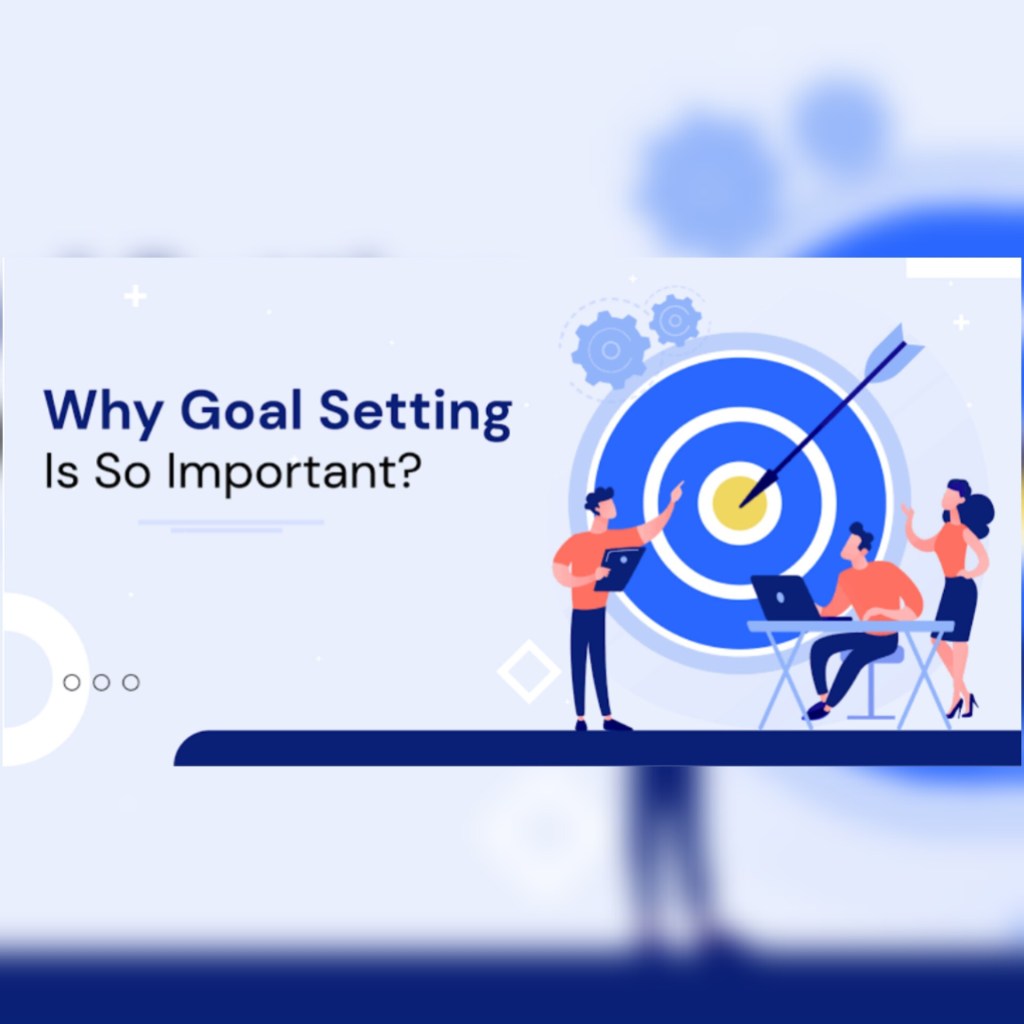
A man without an aim is like a bird without wings.
He can never feel motivated or dedicated to do any work. He will lack curiosity and enthusiasm to achieve and learn something.
Goals Give You Direction;
Goal Setting Helps You Identify What’s Important to You;
Setting Goals Helps Us Measure Progress Towards Success;
They Help You Stay Motivated;
Setting Goals Keeps You Accountable.
There are many benefits and advantages to having a set of goals to work towards. Setting goals helps trigger new behaviors, helps guide your focus, and sustains that momentum in life.
The benefits of setting goals:
Greater direction;
Greater focus;
Increased productivity;
Higher levels of motivation.
We have conducted online and offline sessions for individuals and groups.
Our sessions have helped our participants understand the science behind setting goals.
We are happy that our sessions helped our participants in achieving their goals.
Please reach me at 9604900458/dixitamol.17@gmail.com for registration and further information.
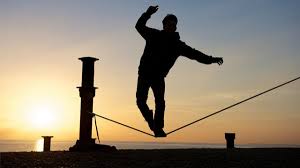
Once, I saw gymnasts performing artistic gymnastics; they impressed me with their balance.
I realized that one can achieve this through proper training, regular practice, and dedication.
It enlightened me.
When we live in balance, we live with peace and harmony.
A balance leads to a happy and contented life; it ensures our growth as an individual and secures our mental peace and well-being.
Here is how to balance life:
Assess your life as it is now;
Make a conscious decision to become balanced;
And make that decision on a minute-to-minute schedule;
Set goals in every area of your life;
Be willing to take the risk;
Make time to reassess yourself daily.
The different aspects of a balanced life include:
Physical balance :
A healthy body helps us to live our lives to the fullest.
Here are some tips for physical balance:
Stick to a balanced diet;
Exercise regularly to keep your body fit ;
Get Sunlight;
Drink enough water;
Breathe consciously;
Enhance your immunity.
2. Mental balance:
Mental balance means having a positive outlook, focusing on good habits, and lowering stress.
3. Emotional Balance :
Emotional balance occurs when one becomes emotionally intelligent.
One has to be aware of emotions and know how to regulate them.
Empathy is the key.
Try to develop your emotional intelligence to achieve emotional balance in your life.
4. Social Balance :
We all are social living beings. We need to develop our interpersonal skills to live harmoniously in society.
5. Work-Life Balance :
A working individual needs time allocated for work and other aspects of life. Areas of life other than work include personal interests, family, and social or leisure activities.
Steps for work-life balance :
Step 1: Set your priorities;
Step 2: Track your time;
Step 3: Concentrate on one thing at a time;
Step 4: Schedule one thing you look forward to each day;
Step 5: Respect your private time;
Step 6: Take a look at your habits and general lifestyle;
Step 7: Take a vacation;
Step 8: Ask for support.
The components of work-life balance:
Self-management – Sufficiently managing yourself can be challenging, particularly in getting proper sleep, exercise, and nutrition;
Time management – Manage your priorities and allocate time for accomplishing them ;
Stress management – Manage your stress to a healthy level with hobbies, meditation, and asking for help;
Manage the change – Life is an ever-changing process. We need to develop ourselves to cope with these changes;
Manage technology – Technology has become a part of our life. We need to accept it and master it to cope with the modern world;
Manage money – Proper investment is the key to managing our money. Invest in you and your assets for a secured future;
Managing leisure time – Give yourself time for your hobbies and relaxation. Do whatever makes you happy.
6. Spiritual balance :
It is the most neglected aspect of today’s life. Meditation plays a crucial role in spiritual balance.
When we focus too much on one area, then we risk neglecting another one.
It’s an art; we must master it for a balanced life.
One can achieve balance in life through continuous learning, training, and proper guidance.
As a life coach and success coach, I help my clients achieve balance in life, thus helping them to lead a happy and prosperous life.
Scientifically speaking, a balanced diet is a diet (what you eat) that contains the right amounts of all the food groups. It includes fruit, vegetables, grains, dairy products, and protein.
Somehow, we have misunderstood the concept of a balanced diet, and consequences are visible; there is an increase in diet-related health issues.
In the current scenario, diet is likely to play a crucial role in your health and fitness, as due to hectic schedules, we get less time for physical activity.
Scientific research proved that diet contributes almost 70% to your health and fitness. Every balanced diet must have these seven essential factors: carbohydrates, protein, fat, fiber, vitamins, minerals, and water. A well-balanced diet provides vitamins, minerals, and nutrients to keep the body and mind strong and healthy.
Eating well can also help ward off numerous diseases and health complications, maintain a healthy body weight, provide energy, allow better sleep, boost immunity, and improve brain function.
Here are some dos and don’ts in diet :
Drink a lot of water;
Try to make up for your water loss;
Include all types of available fruits in your diet;
Eat Indian food;
Eat-in small plates to minimize your food intake at night;
Maintain your calorie intake as per your BMI and BMR;
Have more protein (nuts, beans, pulses) and fewer carbohydrates;
Avoid junk foods as they only add carbohydrates/fats to your body;
We can only efficiently live our lives personally and professionally if we are healthy and fit both physically and mentally. Eat well for your health and well-being.
We provide online and in-person coaching and mentoring on balanced diet.
One fine day, I was surfing the internet and came across a survey on inactivity and a sedentary lifestyle.
I was aware that physical inactivity adversely affects health. So, I decided to experiment on myself to understand what an inactive lifestyle does to one’s life.
I decided to work online for a week and postponed all my appointments and sessions to lead a sedentary life to understand its effect on the human mind and body.
A sedentary lifestyle is with little or no physical activity.
I continued the experiment for a week. Sunday was the most inactive and last day of my experiment. I was shocked to see the unwanted changes in me:
Though there was no weight gain, there was a gain in body fat %. There was an increase in fat around the belly region. My face became puffier, making me look more aged. There was an increase in visceral and subcutaneous fat, making me feel heavier;
I felt weakness in the muscle, leading to back pain;
There was severe joint pain, especially knee pain and shoulder joints;
I experienced some heaviness in my heart;
There were changes in the biological clock of the body;
There were frequent mood swings and distress in me;
I became more anxious, irritable, and restless.
Inactivity and the sedentary life of a week hampered my health, happiness, and wellness. It took me the next three weeks to completely nullify the ill effects and regain my health.
Sedentary lifestyles double the risk of cardiovascular diseases, diabetes, obesity, high blood pressure, osteoporosis, lipid disorders, depression, and anxiety. Worldwide, a sedentary lifestyle is estimated to be responsible for 6% of coronary heart disease cases, 7% of type 2 diabetes, 10% of breast cancer, and 10% of colon cancer cases.
Obesity can be both a cause and a consequence of physical inactivity. Physical inactivity is associated with impaired sensitivity to hormones involved in metabolism, loss of lean muscle mass, and a reduction in total energy expenditure. Physical inactivity can also be an effect of obesity, leading to chronic fatigue, muscle weakness, and impaired physical performance.
Physical inactivity contributes to fat gain, leading to overweight and secretion of inflammatory cytokines.
Evidence suggests that regular physical activity improves short and long-term well-being by reducing feelings of stress. Regular exercise can help to increase lean muscle mass, improve appetite regulation, and elevate resting energy expenditure.
One can do the following activities as per their schedule:
Low-intensity exercises include taking a walk, stretching, and light gardening.
Moderate activities include pleasure walking, climbing stairs, gardening, yard work, moderate-to-heavy housework, dancing, and home exercise.
More vigorous aerobic activities, such as brisk walking, running, swimming, bicycling, roller skating, and jumping rope — done three or four times a week for 30-60 minutes.
We help our clients to overcome sedentary lifestyle and lead healthy life. We provide online and in-person coaching.
An active lifestyle leads to a happy and healthy life.
Most of us know the need to be fitter, lose weight, exercise more, and eat healthier. It is difficult to make these critical changes on our own. We might begin a fitness program or go on a diet, but we do not seem to be able to follow through with what we have started.
We seem to get confused; that’s where a wellness coach will help you.
A wellness coach will help you to establish fitness and nutrition goals and see that you accomplish them.
A good coach will help you build confidence in your ability to make changes and create new (healthy habits) on your own.
In Wellness Coaching, a close relationship and partnership with a coach provide structure, accountability, expertise, and inspiration. It enables the client to learn, grow, and develop beyond what you can do alone.
Wellness Coaching includes anything that impacts your health, fitness, and general well-being.
Wellness Coaching can help you to eat healthier, get fitter, and increase your daily energy. The main focus of Wellness Coaching is to make long-lasting healthy lifestyle changes, not to provide quick fixes.
The main focus of Wellness Coaching is to concentrate on your strengths and build on them to help you realize your goals. Together, you and the coach will identify your motivators and obstacles as you create your wellness vision for the future.
Wellness Coaching makes clients feel accountable to themselves. They make and honor their commitments to reaching their goals, accomplishing more than they believed possible when they began.
Coaches provide instruction and mentoring to clients and help them set goals, define an action plan, and navigate the path until they reach their goals.
We provide online and in-person coaching on diet and fitness.
The most appreciated compliment nowadays is about fitness. Even though all of us desire to be fit, we turn up getting fat.
We join gyms, do heavy workouts, and even reduce some weight, but fail to achieve the desired results.
The simple reason for our failure is our desire for immediate results.
For immediate results, we neglect the following: our biological clock, body type, mindset, daily routine, and many more important things.
After a patch of fitness, we experience more hormonal imbalance, more fat on the body, knee or back pain, and many other side effects.
My Fitness shoot
We can achieve desired results with homemade food and at our home gym without starvation, supplements, injury, and a strict diet.
Being a counselor, I know that our mindset plays a crucial role in our fitness. However, it is the most neglected part of the current fitness world.
Fitness cannot be the same for everybody. It depends on a person’s mindset, body type, lifestyle, eating habits, and work schedules.
From my experience, I would like you all to know that it is ok if you get fat; however, it is necessary to be fit again, and if you don’t know how to, then take the help of someone who knows the way.
We provide online and in-person fitness coaching. Our coaching sessions have benefitted many of our clients.
Meditation is doing everything by doing nothing. I know it sounds contradictory, but it is true. We all know to do something successfully; we need to accept it mentally and be focused.
Our rich Indian culture and its traditions depend on meditation and its benefits. It taught the world how to meditate, how to think deeply, and how to develop spiritually.
Meditation helps you in:
Thinking deeply about something.
To focus one’s mind for a while on a particular object, thought, or activity.
To engage in mental exercises.
Be mentally clear, emotionally calm, and in a stable state.
Reducing stress and pain.
Increasing peace, self-concept, and well-being.
One can meditate anywhere and anytime but doing it at the same time and place helps your mind and body adapt.
Here are ways to meditate:
Sit or lie comfortably (asana).
Be calm and close your eyes.
Breathe naturally.
Focus your attention on the breath.
Start your meditation by taking several deep breaths.
However, it sounds easy. But it is hard to implement it. The simple reason is that it is hard to sit alone and do nothing. It is hard to avoid all internal contradictions, fear, and self-rejections.
One can master it only with dedication and perseverance. A positive attitude and gratitude help us to concentrate and calm down.
Benefits of meditation:
Reduces stress.
Controls anxiety.
Promotes emotional health.
Enhances self-awareness.
Increased attention span.
There are many ways to meditate. Also, one can formulate their meditation methods.
In our meditation sessions, we use simple methods. We have successfully implemented it for our clients. We provide online and in-person meditation sessions.
It will help you to develop physically, mentally, emotionally, and spiritually.
As a dietitian, I came across many people who were following many diet regimes and starved themselves but with no desired results.
It was a challenge for me to change the mindset of my clients, so I had to introduce a concept in the diet program – Diet Coaching and Mentoring.
We tried to understand their daily routines, eating habits, their thought process about food, and many other things. We worked on their views about food and their eating habit.
I feel that dieting is an art one needs to perfect for better health and fitness.
Dieting means eating the right food in the right quantity, in the right way, and at the right time to get the right nutrition.
Scientifically, 70% of your fitness depends on what you eat. Many health-related issues are due to improper diet habits. We work on those habits.
Diet varies from person to person. For desired results, diet needs to be customized depending on various factors.
I also get many online queries from my clients about superfoods; they have a prevailing assumption that to be fit, it is necessary to have superfoods. Vegetables and fruits available locally are enough to nourish us and make us strong.
Everybody nowadays has so much extra information about food that sometimes it is difficult for them to understand where and how to implement it.
I try to nullify those errors while making a diet plan. I feel happy to hear from people that it is working; it is different.
We provide online and offline diet coaching sessions. Our one session on diet coaching will help you with your diet-related issues.
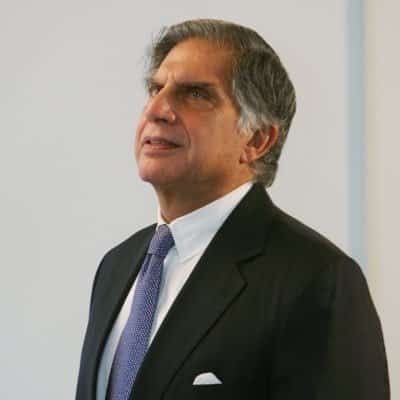
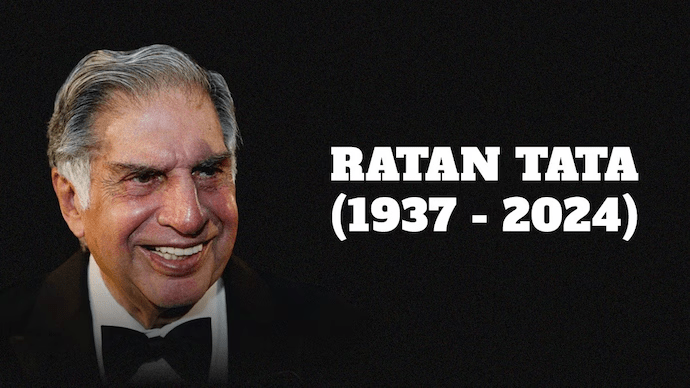
Ratan Tata, an Indian industrialist, philanthropist, and former chairman of Tata Sons, was famous for his undying passion and contribution to humankind. He passed away on October 9, 2024.
Ratan Naval Tata stands as a beacon of inspiration for generations to come. He was born on December 28, 1937, in Mumbai, India. He graduated from the Cornell University College of Architecture with a bachelor’s degree in architecture. He joined Tata in 1961 and worked on the shop floor of Tata Steel. He later succeeded J. R. D. Tata as chairman of Tata Sons upon the latter’s retirement in 1991.
He served as the Chairman of Tata Sons, the holding company of the Tata Group, from 1991 to 2012, during which he steered the conglomerate to new heights of success and global recognition.
In 2008, he received the Padma Vibhushan, the second-highest civilian honor in India. Ratan had previously received the Padma Bhushan, the third-highest civilian honor, in 2000.
“None can destroy iron, but its own rust can. Likewise, none can destroy a person, but their own mindset can.”
Ratan Tata’s creative leadership, ethical values, and welfare work have made him a hero for many. He has initiated and supported numerous charitable projects to improve healthcare, education, and the overall well-being of communities. One can explore the inspiring journey of one of the India’s great personalities in “Ratan Tata: A Complete Biography” by A.K. Gandhi.
The Tatas were the first to establish a steel mill in India, a power company in India, five-star hospitality in India, and an IT services company in India. During Ratan Tata’s tenure, Tata Group’s revenues grew from about Rs 18,000 crore to Rs 5.5 lakh crore (from $6 billion to $100 billion).
One of Ratan Tata’s most ambitious projects was the Nano, which he was particularly passionate about. Conceptualized in the early 2000s, the Nano aimed to provide middle-class Indians with a safe and affordable car, motivated by the sight of families riding scooters in precarious conditions. Tata Nano plant, located at Sanand, Gujarat, now produces the Tiago and Tigor models.
Tata Motors purchased Jaguar Cars and Land Rover in 2008 and fully joined Jaguar Land Rover Limited in 2013.
TCS is the largest IT company and a part of the Tata group. It offers IT, BPO, infrastructure, engineering, and assurance services.
During the 26/11 attack, thirty-three of the 166 people who died in the 60-hour siege were at the Taj. It included 11 hotel employees, a third of the hotel’s total casualties. Tata pledged to look after the families.
Mr. Ratan N Tata committed INR 1500 crore as a group to the COVID-19 relief fund. Other philanthropies of Tata Group are:
Tata Memorial Hospital
Tata Trusts’ Cancer Care Programme- Introduced in 2017, this program focuses on providing affordable, high-quality cancer care to patients closer to their homes.
Tata Medical Centre- This center in Kolkata offers cancer care with cutting-edge technology and world-renowned healthcare professionals.
The Tata Trusts’ cancer care centers include day care centers, onco-pathology labs, screening kiosks, and hospitals.
Tata Power also supports ecological support programs, disaster relief, and rehabilitation on a need-basis in identified regions and furthers Tata Affirmative Action (as defined in the Tata Group Policy) for disadvantaged sections of society.
Ratan Tata, a known animal lover, prioritized his ailing dog over receiving a prestigious award from Prince Charles in 2018. His initiatives included treating stray animals with respect at the Taj Mahal Hotel and providing care at Bombay House. The 86-year-old industrialist opened a small animal hospital in Mumbai of Rs 165 crores.
“Take the stones people throw at you and use them to build a monument.” “I don’t believe in making the right decisions. I take decisions and then make them right.” “In the end, we only regret the chances we didn’t take.” “Ups and downs in life are very important to keep us going because a straight line even in an ECG means we are not alive.” “If you want to walk fast, walk alone. But if you want to walk far, walk together.” “The only way to win is to not be afraid of losing.” “The greatest failure is not to try.” “I don’t believe in leaving things to luck. I believe in hard work and preparation.” “Never forget your roots, and always be proud of where you come from.” “It’s not about ideas. It’s about making ideas happen.” “Never compromise on your values and principles, even if it’s the hard way.” “The value of an idea lies in the using of it.” “Leadership is not about being in charge. It is about taking care of those in your charge.” “Empathy and kindness are the greatest strengths a leader can possess.” “Every challenge is an opportunity to learn and grow.” “The only limit to your success is your imagination.” “Don’t wait for opportunities to come to you, create your own opportunities.”








 ABLES INDIA