Soft Skills training at MIT, Yeola

Reasons for getting rejected in an interview
Common mistakes candidates make in their interviews
Here are some important data regarding interviews :
Key to a successful interview
Be sure about your education, work history, and hobby. The interviewer wants to know more about you as a person and professional. Show confidence in yourself and your abilities.
1. The First Impression
The first impression is the last. Candidates only have seven seconds to make a great first impression. A genuine, warm smile, a confident handshake, and a clear introduction help to create a first impression. Professional attire is the key.
2. Prepare well
Preparation about self, education, and career will help to face interview questions confidently. Appropriate content will help to give valid answers to the questions asked by interviewers.
3. Know the Company
Interview questions are directly or indirectly related to the company you have applied for. Also, try to figure out the expected question list.
4. Non-verbal communication
Recruiters do not favor candidates with unprofessional body language; this includes your smile, posture, etc. Eye contact is a good way of demonstrating confidence, and interviewees should aim to make eye contact with their interviewers. Use a mirror while preparing for an interview. Try to figure out non-verbal communication. Watch out for your body language before going for an interview.
5. Digital Interview
After the pandemic, most recruiters prefer video interviews. Candidates need to develop their digital literacy. Check audio, video, and background before an interview. Be well-groomed and dress professionally.
Our sessions have helped our participants understand the science behind interviews. We are happy that our sessions helped our participants in cracking interviews.
All the best !!!
Soft skills tend to be more personality-focused, which includes things like people skills, social skills, interpersonal skills, and transferable skills. They are general traits that help an individual to excel in the workplace and life.
Soft skills for success in career and life are communication, emotional intelligence, adaptability, problem-solving, critical thinking, leadership, teamwork, collaboration, and time management.
Benefits of soft skills training:
Studies indicate that soft skills account for roughly 80% of a person’s success throughout their career.
Soft skills training helps to learn and improve non-technical or personal skills. These involve interaction with others, including communicating effectively, collaborating with team members, being flexible, and understanding and managing emotions.
Soft skills training helps individuals manage teams effectively, delegate tasks efficiently, and build positive relationships, ultimately enabling them to become more effective and efficient leaders. Soft skills training is training that focuses on the development of abilities such as communication, teamwork, and problem-solving. Other soft skills include emotional intelligence, a positive attitude, and taking the initiative. It has to be learner-centered, enabling participants to interact, connect, and reflect.
A soft skills trainer is a professional who provides education regarding the art of business communication and relationships. They might work for an individual company or as a consultant. A soft skill trainer provides training to participants and helps them strengthen their interpersonal skills.
Being passionate is highly desirable for trainers. They should know how to maintain a passion for their work, keep their heart and minds open, and deeply care about their training. An effective trainer genuinely cares about learners’ success. The trainer should be an effective speaker with good interpersonal and teamwork skills to convey his thoughts. A trainer’s role is to build an environment that stimulates learning and growth for participants.
There are several options for delivering soft skills development training:
To date, I have trained almost 9,000 participants. My experience at different levels in various fields helped me to understand my participants, thus fostering a positive environment for my participants. It developed a learning environment for my participants to express themselves positively and effectively. Interactive sessions helped my participants to connect with themselves and others. My training sessions have helped participants develop personally and professionally. The positive results of training and placement have benefitted many institutes in getting accreditations.
I am proud to announce that most of my participants have achieved their career and life goals.
I wish a happy and prosperous life for all my participants.
All the best !!!
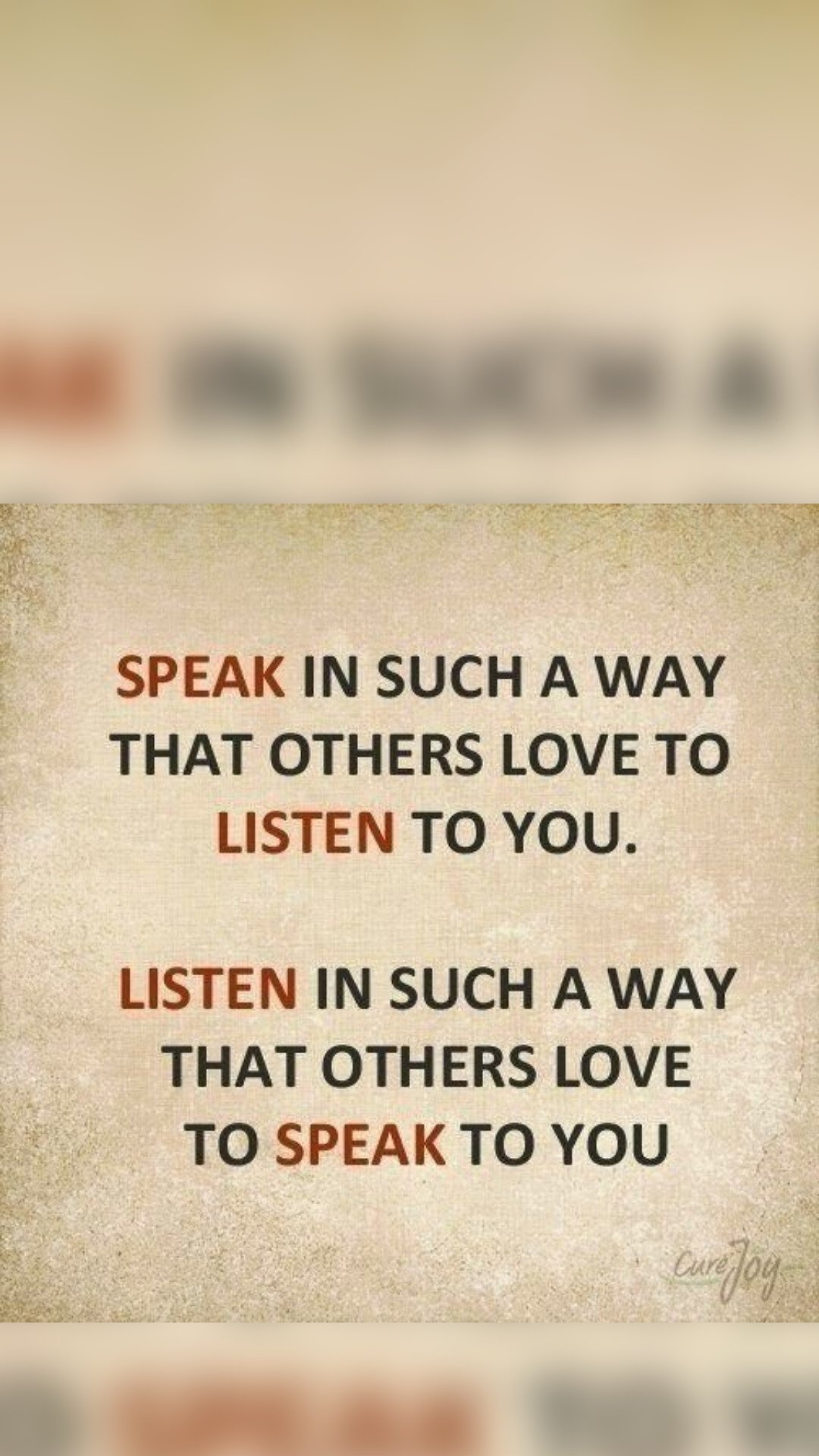
Many of us only hear to what others are saying but we don’t listen to them. Listening helps us to connect and understand that person empathetically. It helps us to gather more information and knowledge.
Same way, we think that effective speaking means expressing fluently what we know. Actually, it is expressing empathetically, so that our listeners can understand and connect with what we are saying…✍️
नोकरी किंवा व्यवसाय करण्यात अपयश का येते?
नुकतेच एका वाहिनीवर एक बातमी दाखवण्यात आली की पुण्याच्या हिंजवडीतील IT park मध्ये मराठी employees चा टक्का फक्त २% आहे. आश्चर्य आहे ना, आपल्याच पुण्यात, आपलीच मराठी मुलंमुली एवढ्या अत्यल्प प्रमाणात…
आपली मराठी मुलंमुली अभ्यासात एवढे हुशार. आपल्याकडे MBA, MCA, Engineers, ITI तसेच अनेक क्षेत्रात graduates, Post-graduates…एवढे शिकलेले विद्यार्थी मोठ्या प्रमाणात आहेत. ह्यांच्या शिक्षणावर पालकांनी लागेल तेवढा खर्च केलेला असतो. पण शिक्षण पूर्ण झाल्यावर खूप कमीच विद्यार्थी पुढे job मिळवतात. काही विद्यार्थी job न मिळाल्यावर पुढचे शिक्षण घेत राहतात तर काही जण मिळेल ते काम करतात. घरी सगळं सधन असल्यास काही विद्यार्थी घरचा व्यवसाय करतात किंवा शेती करतात.
काही विद्यार्थी अभ्यासात हुशार असतात पण मुलाखतीत विचारला जाणारा ‘ Tell me about yourself?’ ह्या महत्वाच्या प्रश्नाचे उत्तर देताना अनेकांना अपयश येते. का येत असावे हे अपयश ???
अशी अनेक उदाहरणे आहेत की distinction मिळालेले विद्यार्थीसुद्धा soft skills चा अभाव असल्यामुळे interviews मध्ये reject झाले आहेत.
ह्याचा विचार ना विद्यार्थी करतात, ना पालक ना शिक्षण संस्था. फक्त अभ्यासात चांगले गुण मिळवणे एवढेच उद्दीष्ट समोर ठेवून विद्यार्थ्यांना शिकवले जाते. त्यांच्या positive attitude, emotional intelligence, intrapersonal skills, interpersonal skills, communication skills, आणि interview skills ह्या soft skills कडे पाहिजे तेवढे लक्ष दिले जात नाही. पण अनेक companies ह्यांच्या मते, job मिळवण्यासाठी किंवा successful होण्यासाठी IQ पेक्षा EQ, तसेच Hard skills पेक्षा Soft skills जास्त महत्वाचे आहेत. म्हणून तर Soft skills ला Employability skills ( रोजगार कौशल्य ) असे ही संबोधले जाते.
आपण जेव्हा एखादी छोटीशी वस्तू घेतो तेव्हा ती पारखून घेतो मग शिक्षण घेताना आपण नक्कीच पारखून घेणे गरजेचे आहे. आपल्या पाल्याचा सर्वांगीण विकास होतो आहे का?, हे पाहणे प्रत्येक पालकाचे कर्तव्यच आहे. शिक्षण घेऊन नुसते certificate घ्यायचे की ते certificate मिळवून चांगले career घडवायचे हे प्रत्येक विद्यार्थ्याने तसेच पालकाने विचार करण्याची गरज आहे…✍️


 ABLES INDIA