Meditation

Meditation is doing everything by doing nothing. I know it sounds contradictory, but it is true. We all know to do something successfully; we need to accept it mentally and be focused.

Our rich Indian culture and its traditions depend on meditation and its benefits. It taught the world how to meditate, how to think deeply, and how to develop spiritually.

Meditation helps you in:

  • Thinking deeply about something.
  • To focus one’s mind for a while on a particular object, thought, or activity.
  • To engage in mental exercises.
  • Be mentally clear, emotionally calm, and in a stable state.
  • Reducing stress and pain.
  • Increasing peace, self-concept, and well-being.

One can meditate anywhere and anytime but doing it at the same time and place helps your mind and body adapt.

Here are ways to meditate:

  • Sit or lie comfortably (asana).
  • Be calm and close your eyes.
  • Breathe naturally.
  • Focus your attention on the breath.
  • Start your meditation by taking several deep breaths.

However, it sounds easy. But it is hard to implement it. The simple reason is that it is hard to sit alone and do nothing. It is hard to avoid all internal contradictions, fear, and self-rejections. 

One can master it only with dedication and perseverance. A positive attitude and gratitude help us to concentrate and calm down. 

Benefits of meditation:

  • Reduces stress.
  • Controls anxiety.
  • Promotes emotional health.
  • Enhances self-awareness.
  • Increased attention span.

There are many ways to meditate. Also, one can formulate their meditation methods. 

In our meditation sessions, we use simple methods. We have successfully implemented it for our clients. We provide online and in-person meditation sessions.

It will help you to develop physically, mentally, emotionally, and spiritually.

 ॐ शान्ति: शान्ति: शान्ति:

Meditation Coach and Mentor

Dieting – An art to follow…

Dieting is such a common word we hear nowadays.

As a dietitian, I came across many people who were following many diet regimes and starved themselves but with no desired results.

It was a challenge for me to change the mindset of my clients, so I had to introduce a concept in the diet program – Diet Coaching and Mentoring.

We tried to understand their daily routines, eating habits, their thought process about food, and many other things. We worked on their views about food and their eating habit.

I feel that dieting is an art one needs to perfect for better health and fitness.

Dieting means eating the right food in the right quantity, in the right way, and at the right time to get the right nutrition.

Scientifically, 70% of your fitness depends on what you eat. Many health-related issues are due to improper diet habits. We work on those habits.

Diet varies from person to person. For desired results, diet needs to be customized depending on various factors.

I also get many online queries from my clients about superfoods; they have a prevailing assumption that to be fit, it is necessary to have superfoods. Vegetables and fruits available locally are enough to nourish us and make us strong. 

Everybody nowadays has so much extra information about food that sometimes it is difficult for them to understand where and how to implement it. 

I try to nullify those errors while making a diet plan. I feel happy to hear from people that it is working; it is different.

We provide online and offline diet coaching sessions. Our one session on diet coaching will help you with your diet-related issues.

Diet Coach and Mentor

← Back

Thank you for your response. ✨

The Ratan Tata

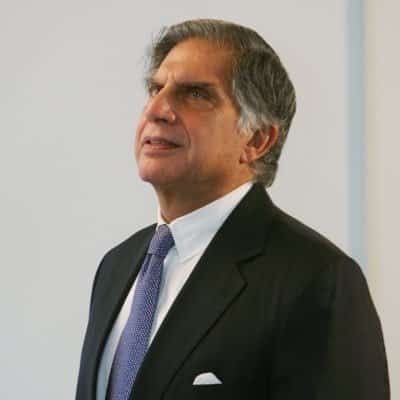
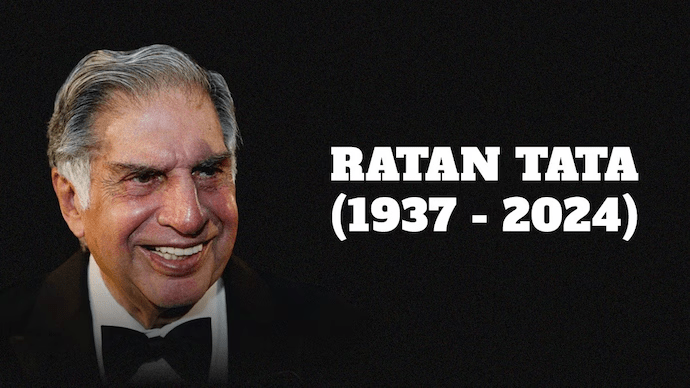
Ratan Tata, an Indian industrialist, philanthropist, and former chairman of Tata Sons, was famous for his undying passion and contribution to humankind. He passed away on October 9, 2024.

Ratan Naval Tata stands as a beacon of inspiration for generations to come. He was born on December 28, 1937, in Mumbai, India. He graduated from the Cornell University College of Architecture with a bachelor’s degree in architecture. He joined Tata in 1961 and worked on the shop floor of Tata Steel. He later succeeded J. R. D. Tata as chairman of Tata Sons upon the latter’s retirement in 1991.

He served as the Chairman of Tata Sons, the holding company of the Tata Group, from 1991 to 2012, during which he steered the conglomerate to new heights of success and global recognition.

In 2008, he received the Padma Vibhushan, the second-highest civilian honor in India. Ratan had previously received the Padma Bhushan, the third-highest civilian honor, in 2000.

“None can destroy iron, but its own rust can. Likewise, none can destroy a person,
but their own mindset can.”

Ratan Tata’s creative leadership, ethical values, and welfare work have made him a hero for many. He has initiated and supported numerous charitable projects to improve healthcare, education, and the overall well-being of communities. One can explore the inspiring journey of one of the India’s great personalities in “Ratan Tata: A Complete Biography” by A.K. Gandhi.

The Tatas were the first to establish a steel mill in India, a power company in India, five-star hospitality in India, and an IT services company in India. During Ratan Tata’s tenure, Tata Group’s revenues grew from about Rs 18,000 crore to Rs 5.5 lakh crore (from $6 billion to $100 billion).

One of Ratan Tata’s most ambitious projects was the Nano, which he was particularly passionate about. Conceptualized in the early 2000s, the Nano aimed to provide middle-class Indians with a safe and affordable car, motivated by the sight of families riding scooters in precarious conditions. Tata Nano plant, located at Sanand, Gujarat, now produces the Tiago and Tigor models.

Tata Motors purchased Jaguar Cars and Land Rover in 2008 and fully joined Jaguar Land Rover Limited in 2013.

TCS is the largest IT company and a part of the Tata group. It offers IT, BPO, infrastructure, engineering, and assurance services.

During the 26/11 attack, thirty-three of the 166 people who died in the 60-hour siege were at the Taj. It included 11 hotel employees, a third of the hotel’s total casualties. Tata pledged to look after the families.

Mr. Ratan N Tata committed INR 1500 crore as a group to the COVID-19 relief fund. Other philanthropies of Tata Group are:

  • Tata Memorial Hospital
  • Tata Trusts’ Cancer Care Programme- Introduced in 2017, this program focuses on providing affordable, high-quality cancer care to patients closer to their homes. 
  • Tata Medical Centre- This center in Kolkata offers cancer care with cutting-edge technology and world-renowned healthcare professionals. 
  • The Tata Trusts’ cancer care centers include day care centers, onco-pathology labs, screening kiosks, and hospitals. 
  • Tata Power also supports ecological support programs, disaster relief, and rehabilitation on a need-basis in identified regions and furthers Tata Affirmative Action (as defined in the Tata Group Policy) for disadvantaged sections of society.

Ratan Tata, a known animal lover, prioritized his ailing dog over receiving a prestigious award from Prince Charles in 2018. His initiatives included treating stray animals with respect at the Taj Mahal Hotel and providing care at Bombay House. The 86-year-old industrialist opened a small animal hospital in Mumbai of Rs 165 crores.

“Take the stones people throw at you and use them to build a monument.”
“I don’t believe in making the right decisions. I take decisions and then make them right.”
“In the end, we only regret the chances we didn’t take.”
“Ups and downs in life are very important to keep us going because a straight line even in an ECG means we are not alive.”
“If you want to walk fast, walk alone. But if you want to walk far, walk together.”
“The only way to win is to not be afraid of losing.”
“The greatest failure is not to try.”
“I don’t believe in leaving things to luck. I believe in hard work and preparation.”
“Never forget your roots, and always be proud of where you come from.”
“It’s not about ideas. It’s about making ideas happen.”
“Never compromise on your values and principles, even if it’s the hard way.”
“The value of an idea lies in the using of it.”
“Leadership is not about being in charge. It is about taking care of those in your charge.”
“Empathy and kindness are the greatest strengths a leader can possess.”
“Every challenge is an opportunity to learn and grow.”
“The only limit to your success is your imagination.”
“Don’t wait for opportunities to come to you, create your own opportunities.”

भारत के अनमोल रतन को भावपूर्ण श्रद्धांजलि 🙏🙏🙏

हरियाणा का चुनाव !


हरियाणा के चुनाव ने बहुत सारे प्रश्नों के उत्तर दे दिए ।

जनता ऐसी सरकार चाहती है जो उनके काम करे, ना कि सिर्फ मुद्दे उठाये। विद्यमान सरकारने दस साल मे बहुत अच्छे काम किये। विपक्ष ने सरकार के खिलाफ बहुत सारे दुष्प्रचार किये, लेकिन जनता ने बडी सोच समझकर विकास के लिये मतदान किया।

विपक्ष ने हरियाणा का चुनाव जवान, किसान,और पैलवान ये मुद्दों पे लडने की कोशिश की और झूट का प्रचार किया लेकिन हरियाणा के लोगो ने सिर्फ मुद्दे उठाने वालों को नकारते हुए जमीन पर काम करने वाली सरकार का चयन किया।

किसी ने सच कहा है की झूट कितना भी ताकतवर क्यू ना हो, जादा दिन तक टीक नहीं सकता। हरियाणा में सच जीत गया और झूट हार गया।

केंद्र सरकार ने जवान, किसान और खिलाड़ियों के अनेक योजनाएं चलायी हुई हैं । इन योजनाओं का प्रत्यक्ष या अप्रत्यक्ष फायदा हरियाणा की जनता को होता हैं।

किसानों के लिए कई योजनाएं हैं, जिनमें से कुछ ये हैं: 

  • प्रधानमंत्री किसान सम्मान निधि (पीएम-किसान) 
  • प्रधानमंत्री किसान मानधन योजना (पीएम-केएमवाई) 
  • प्रधानमंत्री फसल बीमा योजना (पीएमएफ़बीवाई) 
  • ब्याज सहायता योजना (आईएसएस) 
  • एग्रीकल्चर इंफ़्रास्ट्रक्चर फ़ंड (एआईएफ़) 
  • राष्ट्रीय मधुमक्खी पालन और हनी मिशन (एनबीएचएम) 

इसके अलावा, युवाओं के लिए कुछ योजनाएं ये हैं: 

  • अग्निपथ योजनायह योजना भारतीय युवाओं को सशस्त्र बलों में भर्ती करने के लिए शुरू की गई है। इस योजना के तहत, चुने गए युवाओं को अग्निवीर कहा जाएगा. इस योजना के ज़रिए, युवाओं को चार साल के लिए सशस्त्र बलों में सेवा करने का मौका मिलता है।
  • पीएम इंटर्नशिप योजनायह योजना युवा बेरोज़गारी को कम करने और उन्हें व्यावसायिक अनुभव देने के लिए शुरू की गई है।
  • सरकार द्वारा प्रायोजित सामाजिक उन्मुख बीमा योजनाएंइनमें आम आदमी बीमा योजना, जनश्री बीमा योजना, शिक्षा सहयोग योजना, लघु बीमा योजना, और वरिष्ठ पेंशन बीमा योजना जैसी योजनाएं शामिल हैं।

खिलाड़ियों के लिए पंडित दीनदयाल उपाध्याय राष्ट्रीय कल्याण कार्यक्रम ।

हरियाणा सरकार की कुछ योजनाएं ये हैं: 

  • मुख्यमंत्री अंत्योदय परिवार उत्थान योजनाइस योजना के तहत, राज्य के सबसे गरीब परिवारों की पहचान की जाती है और उन्हें कौशल विकास, स्वरोज़गार, और रोज़गार सृजन के ज़रिए उनकी आय बढ़ाने में मदद की जाती है।
  • आपकी बेटी हमारी बेटी इस योजना के तहत, अनुसूचित जाति/बीपीएल परिवारों की पहली लड़की और किसी भी जाति के परिवार की दूसरी लड़की के नाम पर 21,000 रुपये की राशि भारतीय जीवन बीमा निगम (एलआईसी) में निवेश की जाती है।
  • लाडली सामाजिक सुरक्षा भत्ता योजना इस योजना के तहत, उन परिवारों को पैंशन दी जाती है जिनमें केवल लड़कियां हैं।
  • दीन दयाल उपाध्याय अंत्योदय परिवार सुरक्षा योजनाइस योजना के तहत, पात्र नागरिकों को आर्थिक सहायता दी जाती है।
  • डॉ. बीआर अंबेडकर आवास नवीनकरण योजनाइस योजना के तहत, लाभार्थियों को उनके पुराने घरों की मरम्मत के लिए 80,000 रुपये तक की राशि दी जाती है. यह योजना केवल अनुसूचित जातियों (एससी), विमुक्त जनजातियों, और टपरीवास जाति के लिए लागू है।

हरियाणा सरकार की कुछ और योजनाएं ये हैं: वृद्धावस्था सम्मान भत्ता, विधवा पेंशन योजना ।

और सबसे महत्वपूर्ण ये हुआ की इस बार हिन्दुओं का वोट बटा नहीं । बांगलादेश मे जो हिंदुओं के साथ अत्याचार हो रहा है, उसका नतीजा हरियाणा चुनाव मे दिखाई दिया । हिंदुओं ने एक साथ मिलके हरियाणा के विकास के लिए मतदान किया ।

हिंदू जाग रहा हैं,
हिंदू एक हो रहा हैं ।

महाराष्ट्र, झारखंड तथा दिल्ली में आगामी चुनावों में जनता को चाहिये की महाराष्ट्र, झारखंड तथा दिल्ली में एक सक्षम सरकार चुनकर देशहित सर्वोपरि सुनिश्चित करे । जात-पात में फंसकर अपने राज्य का नुकसान ना करें। बांगलादेश मे जो हिंदुओं के साथ अत्याचार हो रहा है, उसको ध्यान में रखकर, एकजुट होकर महाराष्ट्र, झारखंड तथा दिल्ली के विकास के लिए मतदान करना चाहिए ।

जय हिंद!

जय हरियाणा!

जय महाराष्ट्र!

जय झारखंड!

जय दिल्ली!

Being an ideal Engineer!

Before elaborating on the skill sets required for an ideal engineer, I would like to highlight some of the surveys done about the engineering field in India.

Some reports are shocking, but some are promising for engineers in India.

  • India produces a staggering 1.5 million engineering graduates annually, yet only a few secure employment. Employability among engineering graduates stands over 60%, with only 45% meeting industry standards.
  • A recent employability report has found that over 80 percent of engineers in India are unemployable as they lack technological skills.
  • The unemployment rate among engineering graduates in India is 20.5%, which is higher than the overall unemployment rate in India.
  • Only 57% of engineering graduates are employable.
  • One in every two engineering graduates of recent years in India are unemployed, as engineering graduates lack the necessary skills to meet industry demands.

There is one promising report for all engineers, and it will motivate you while pursuing engineering.

*** More than 30% of Fortune 500 CEOs are engineers.

There is a lot of scope for engineers in India. Along with their academics, they need skills as per market requirements. I have noted some hard and soft skills required to be an ideal engineer.

  • Popular hard engineering skills include programming, manufacturing, quality control, design, and IT literacy.
  • Good aptitude skills.
  • Creativity and innovation, critical thinking and problem-solving, communication, collaboration, information literacy, technology usage, career/life skills, and personal/social responsibility are dominant 21st-century competencies.
  • Your resume should also have a list of soft skills, such as communication skills, problem-solving, collaboration, adaptability, time management, creativity, teamwork, emotional intelligence, critical thinking, handling feedback, leadership, stress management, adaptation to rapid technological changes, analytical skills, dedication, commitment, career/life skills, and personal/social responsibility.
  • Engineers should know how to use quality tools for self-development: SWOT analysis (Strengths, Weaknesses, Opportunities, and Threats) and Kaizen – continuous improvement.

The technology sector in India will require over 1 million engineers with advanced skills in AI and other emerging technologies – semiconductors.

The demand-supply gap for digital talent will widen, creating a critical challenge for industries across the board. Engineers must work on lessening this gap by developing hard and soft skills.

All the best to all aspiring engineers for their booming careers!

Keep Learning!

Keep Growing!

Soft skills, Employability skills and Aptitude Trainer

Healthcare IT Education and Training

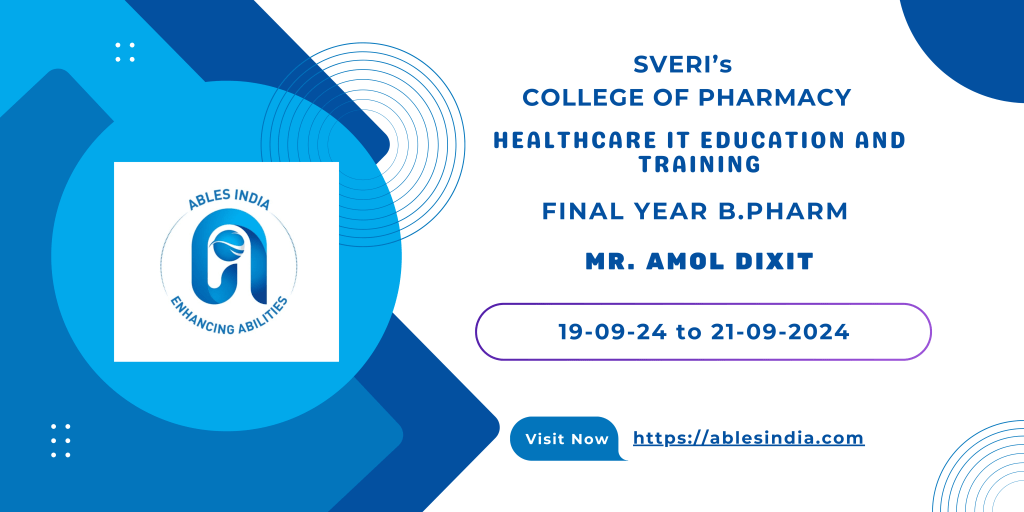
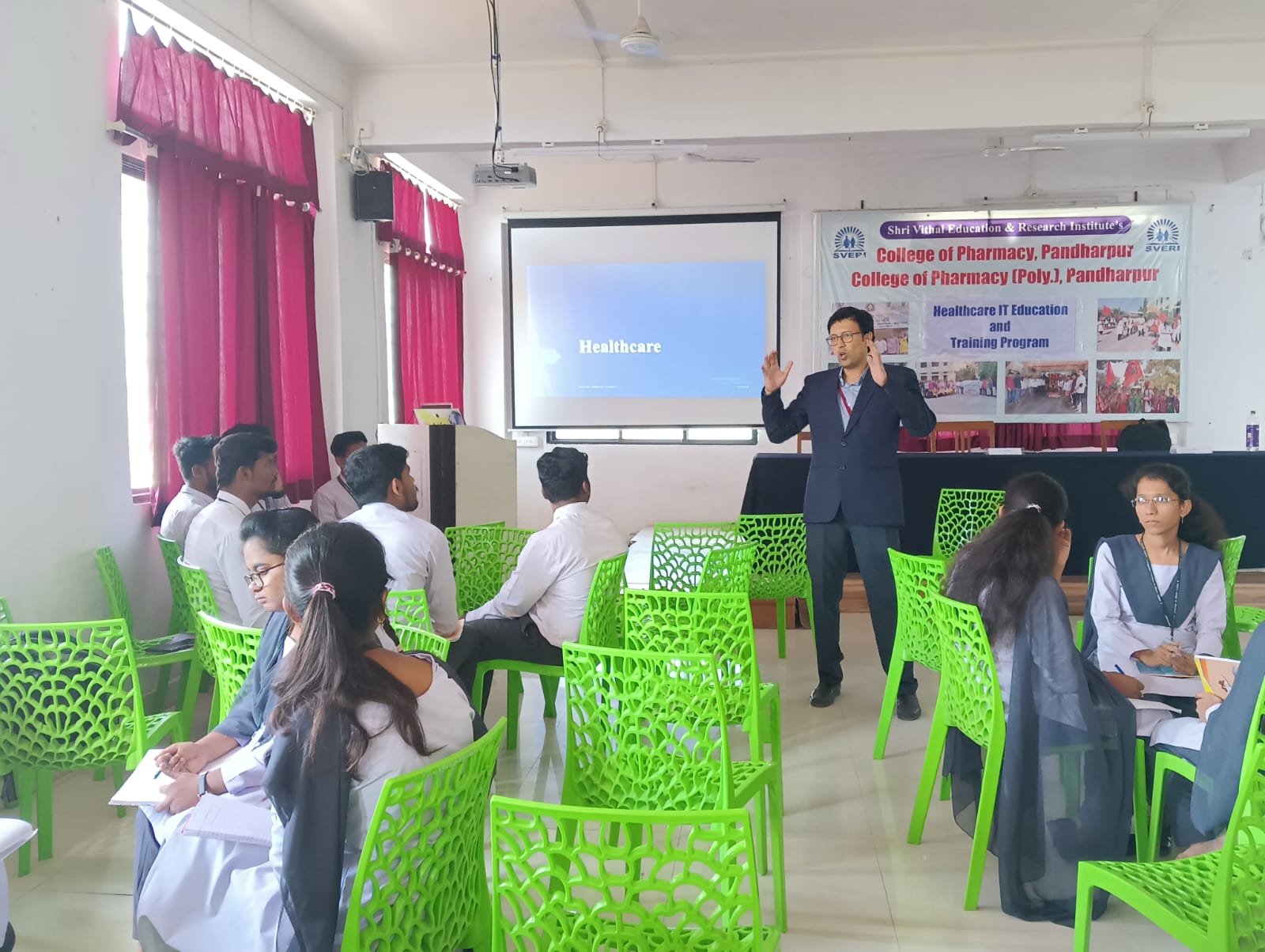
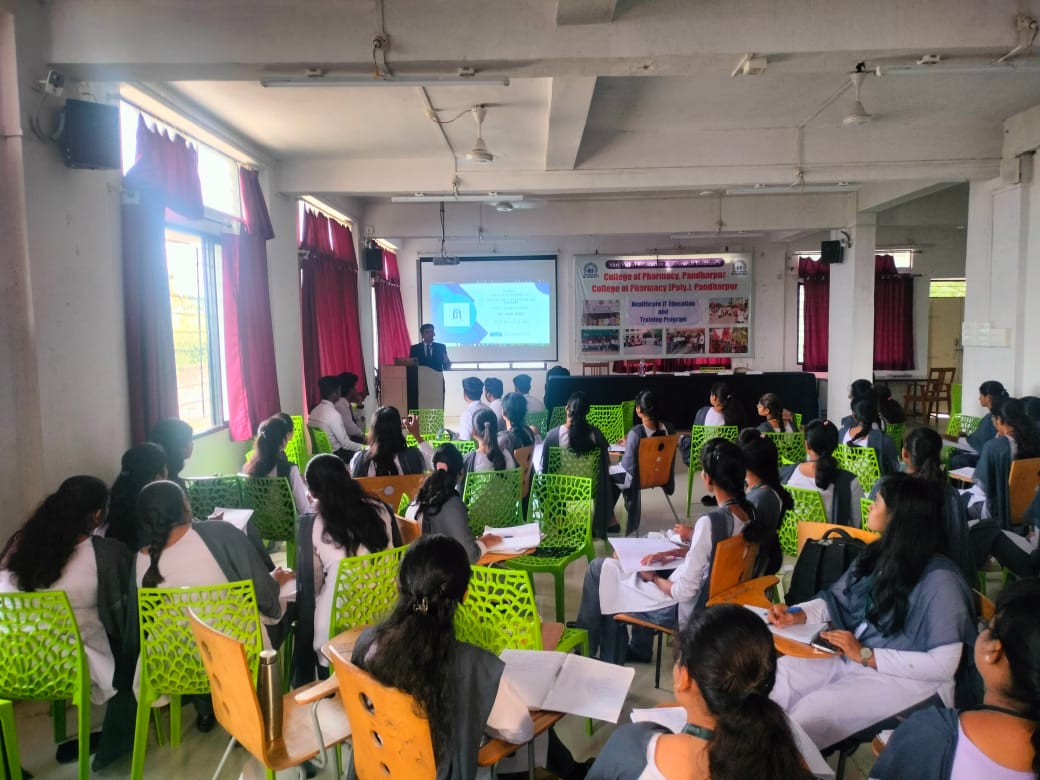
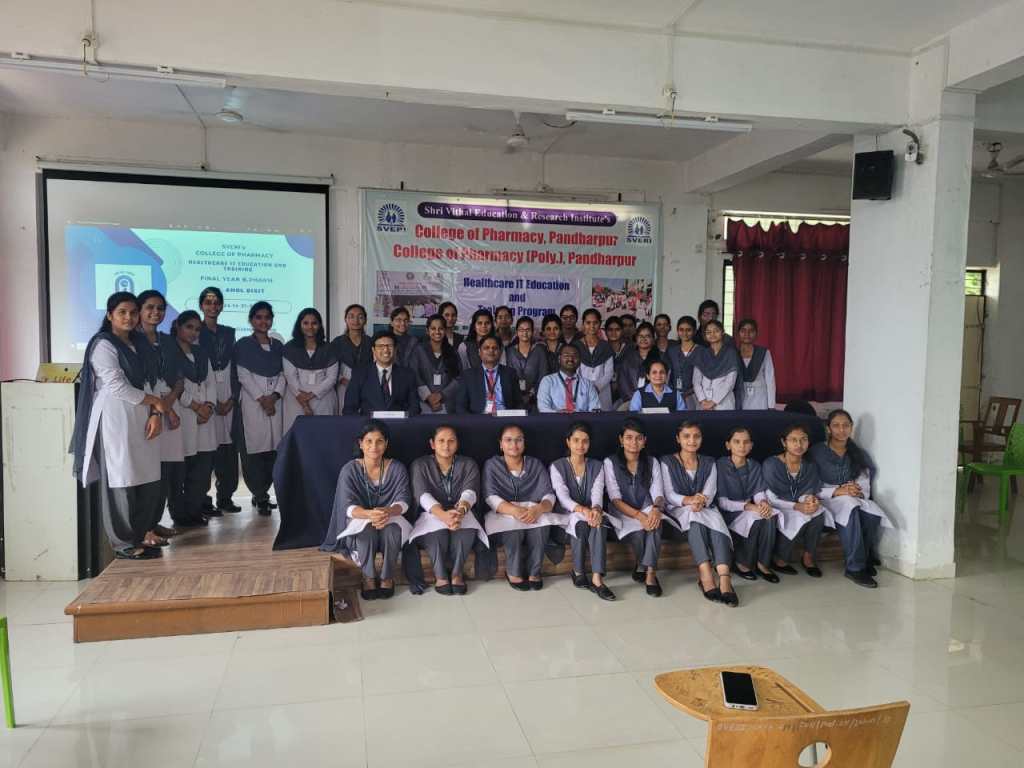
It was a knowledgeable experience to conduct the ‘Healthcare IT Education and Training’ for final-year students at SVERI’s College of Pharmacy, Pandharpur.

Thanks to Management (SVERI’s College of Pharmacy) and Principal Sir for the opportunity.

It was a great initiative by the Principal Sir for final-year students to have sessions on ‘Healthcare IT’ for students. The sessions helped students learn about opportunities in ‘Healthcare IT’ for pharmacy students.

Topics covered: 

  • Healthcare informatics,
  • Medical coding and billing,
  • Medical transcription and writing,
  • Healthcare Insurance,
  • Clinical research,
  • Pharmacovigilance.

The ‘Knowledge Sharing’ session developed their confidence in expressing technical skills.

Thanks to our trainer – Mr.Amol Dixit for an informative sessions for final year pharmacy students.

All the best to all students for their bright future!!!

Being an Ideal Fresher

Being a fresher is like a boon. In many Bollywood movies you must have heard a dialogue,”मै जब नया था, तब तुम्हारे जैसे ही था, energetic and enthusiastic, लेकिन मुझे system ने बदल दिया.” This dialogue tells you the advantages of being a fresher.

Freshers may bring energy, enthusiasm, and creativity to day-to-day work.

I conduct training sessions on ‘Campus to Corporate’ for freshers. In this blog, I have noted some difficulties of being freshers and how to overcome them.

Being a good student and being a good professional are altogether different aspects. College life is good, but it will end someday for something good. Students are sometimes reluctant to view what the future is offering them.

Every student must instill professionalism in attitude, behavior, and thought to be a good professional through proper coaching, mentoring, and training.

Here are some tips for being an ideal fresher:

  • Good first impression

Anyone gets only few seconds to make the first positive impression. Be prepared, professional, and well-groomed.

  • Professional Communication

As a student, many exams are written, except viva. In professional life, oral communication and presentation skills are the key. It is always wise to develop communication skills like a professional when you are a student.

It helps to get a dream job.

  • Ask for help!

No one is perfect and knows everything, as knowledge is ever-evolving. No one can learn everything on their own. You must learn to ask for help if needed.

  • Develop a growth mindset.

A positive attitude is the key to success, as it helps you to have a growth mindset. Trust yourself and your capabilities to learn and progress, and adopt a growth mindset. Understand and analyze your strengths, weaknesses, opportunities, and threats (SWOT analysis). Be clear about your goals and thoughts.

  • Be accountable and responsible.

I have observed that many students rely on their institutes and faculty for their knowledge. As a fresher, it is your accountability to gain knowledge and experience. Nobody is going to spoon-feed you. Proactively search for the right person and training for your growth. Consistently develop good habits as a professional.

  • Timing matters

Everyone gets an opportunity, but only one will grab it.

Timing in career matters as it matters in cricket.

Always be ready, and learn to take initiative. Instead of waiting for opportunities, learn to create opportunities. You are an architect of your career and life.

  • Develop skills

Organizations look for many skills in their employees. As a fresher, highlight those skills if you want to be selected.

They are Critical thinking, Problem-solving, Communication skills, Resilience, Consistency, Creativity, Emotional intelligence, Proactive, Decision making, Presentation skills, Discussion skills, Negotiation skills, Adaptability, and Coachable.

  • Professionalism

Being a fresher in the job market can be rewarding as you bring something unique to the organization. Companies are always ready to invest in freshers. Do ensure good returns to your employers.

To understand freshers properly, employers ask some customized interview questions during interviews:

  1. Tell me about yourself. (Can you express yourself positively?)
  2. Run me through your resume. (Are you aware and clear of what you have written in your resume)
  3. What are your hobbies? (To understand your personality in a personal way)
  4. Why should we hire you? (To understand your career objective)
  5. What do you know about this company? (Preparedness and Eye for detail)
  6. What inspires you in your career and life? (Role models)
  7. What kind of salary do you expect? (Your focus and negotiation skills)
  8. Where do you see yourself in five years? (Your goals)
  9. What are your greatest strengths and weaknesses (SWOT analysis)
  10. Do you have any questions for me? (Are you good in positive discussions)

Keep Learning!

Keep Growing!

Career, Education, and Executive Coach
(https://www.linkedin.com/in/amoldixit17)

Aptitude tests

Aptitude tests will test your ability to perform tasks and react to situations at work. It includes problem-solving, prioritization, and numerical skills, amongst other things. They are designed to measure intelligence and can measure the potential of a candidate applying for a job.

Many employers rely on aptitude tests for the hiring process. It allows the recruiter to assess the candidate’s IQ, logic, verbal reasoning, personality type, and mathematical skills.

Aptitude training helps students understand their areas of interest and strengths better. Students should start preparing from their school. Preparation for scholarship exams will help students with the gist of aptitude exams. It will also prepare the aptitude, basics, and time management needed to crack aptitude exams.

70% to 80% is a minimum acceptable score for an aptitude test. For most candidates, the difficulty of aptitude tests lies in completing the tests under timed conditions. In numerical or logical reasoning tests, candidates have about a minute to read the question, analyze the graphs and patterns, and choose the correct response.

Candidates should be ready to spend several weeks preparing for aptitude tests, as the most common reason for failure is lack of preparation. Regular study, practice, and study material are keys to cracking aptitude tests.

There are different types of aptitude tests:

  • Average
  • Boats and Streams
  • Blood relations
  • Calendar
  • Coding decoding
  • Clocks
  • Compound Interest
  • Decimal Fractions
  • Directions
  • H.C.F. and L.C.M of Numbers
  • Heights & Distances
  • Operations on Numbers
  • Partnership
  • Percentage
  • Permutations and Combinations
  • Problems on Ages
  • Problems on Numbers
  • Problems on Trains
  • Profit and Loss
  • Ratio and Proportion
  • Simple Interest
  • Simplification
  • Time and Distance
  • Time and Work
  • Volume and Surface Area

How to Pass an Aptitude Test

  1. Practice the test daily. Practice makes perfect;
  2. Make sure you know the test format;
  3. Read the instructions carefully;
  4. Be sure that you practice tests specific to your niche, market, or industry;
  5. Manage your time well.

Preparation for aptitude :

  • There is no set syllabus that you can strictly follow, so start from the basics;
  • The basic concepts of the topics involved should be clear;
  • Practice.

Healthcare Education and Training (HET)

ABLES INDIA has been in training and development for more than eight years.

Our trainer – Mr. Amol Dixit, has experience working in the hospital, pharma, and healthcare industry. His training has helped many pharmacy students to achieve their career goals in the healthcare industry.

Considering the importance of academics, we have designed a program for students to cope with opportunities and challenges in the healthcare industry.

Healthcare Education and Training (HET) covers all the factors that can help students perform well in the healthcare industry.

Topics for HET are as follows:

  • Healthcare Informatics
  • Medical Knowledge and Decision Support System
  • Health Insurance Management and CRM
  • Medical Coding
  • Medical Writing
  • Medical Billing
  • Medical Transcription
  • Pharmacovigilance
  • Clinical Research
  • Regulatory Affairs

*Note – There are sub-topics in the above-mentioned topics.

HET training helps participants understand various opportunities in the healthcare industry and pursue specialization courses for better opportunities.

Please contact – www.linkedin.com/in/amoldixit17dixitamol.17@gmail.com / 9604900458/ for further discussion.

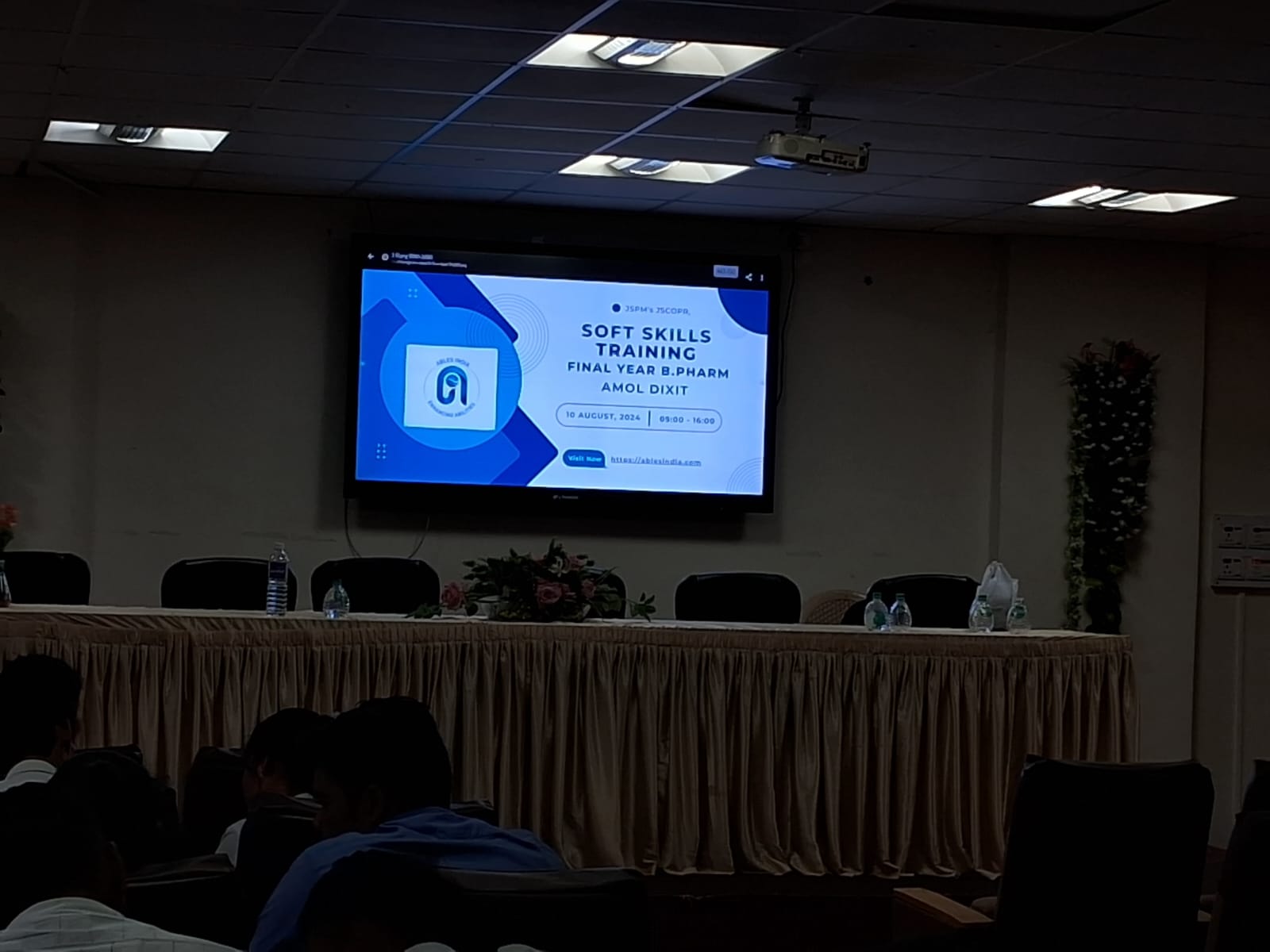
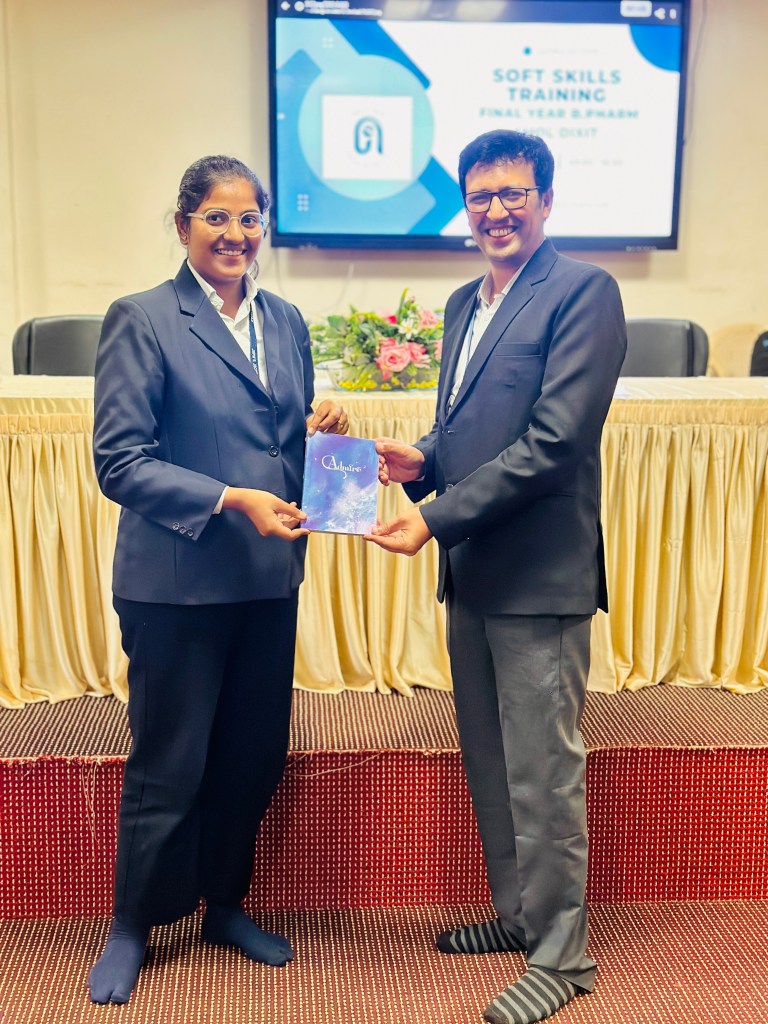
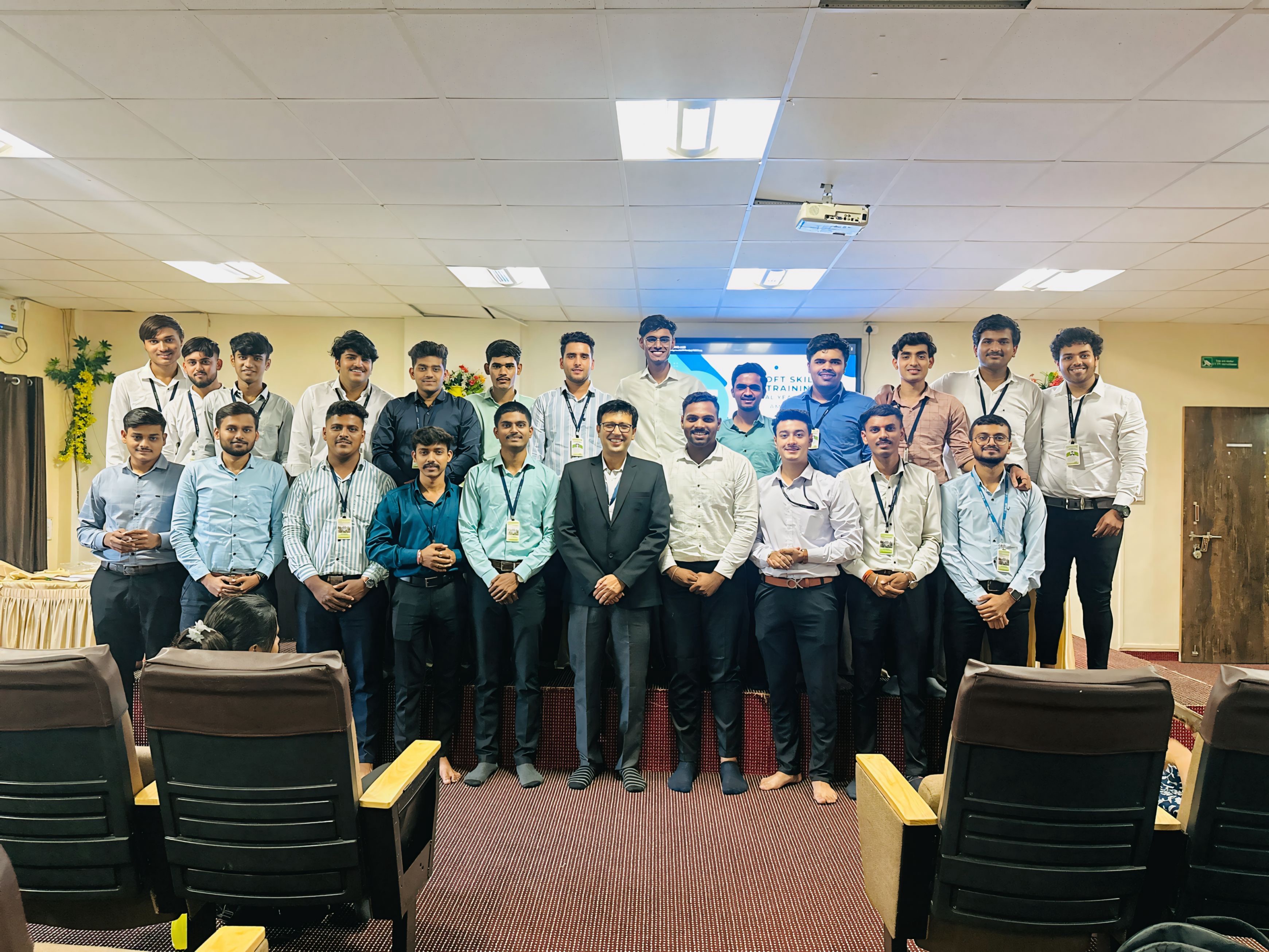
‘Soft Skills Training’ for Final year B.Pharm students

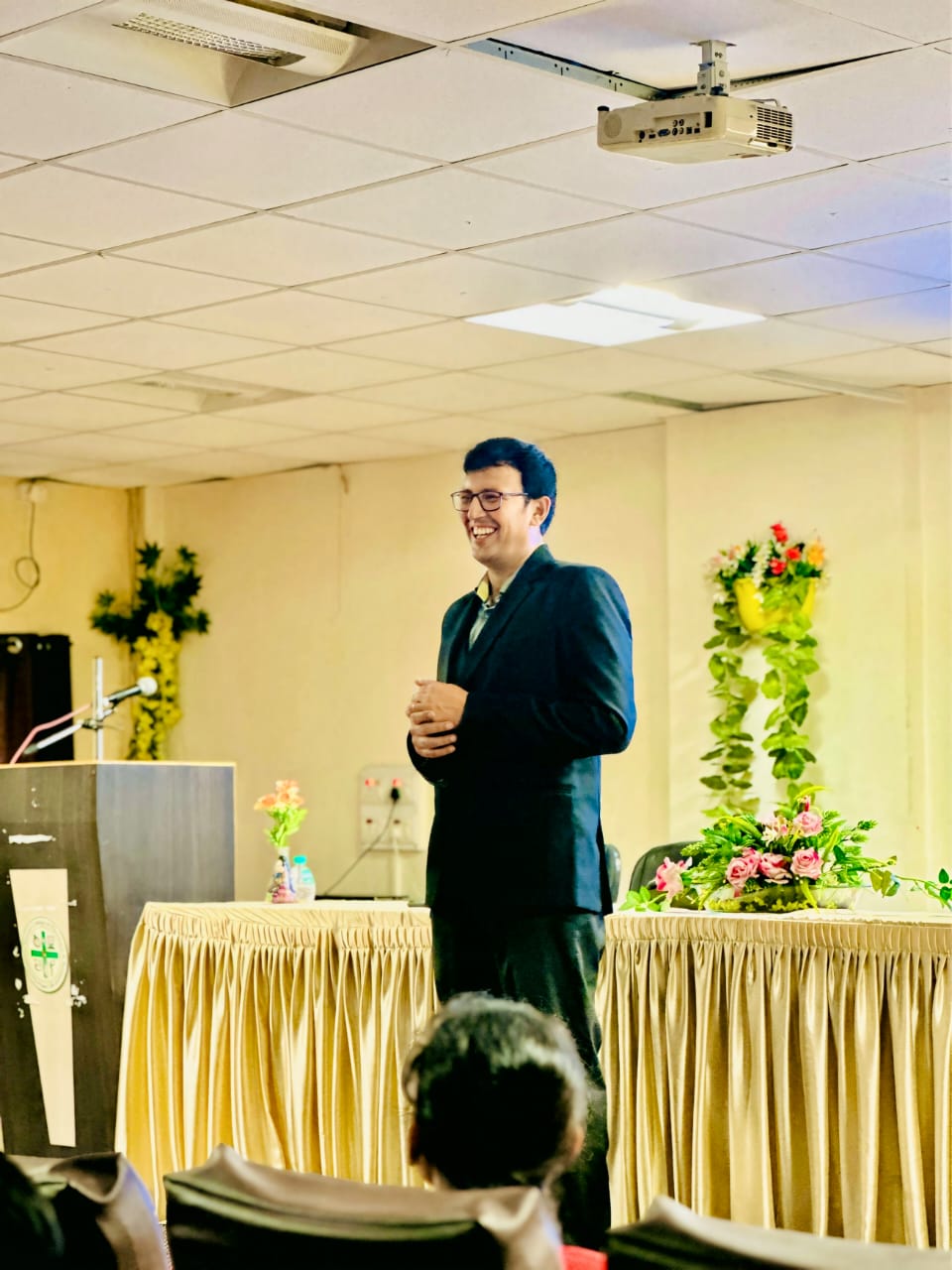
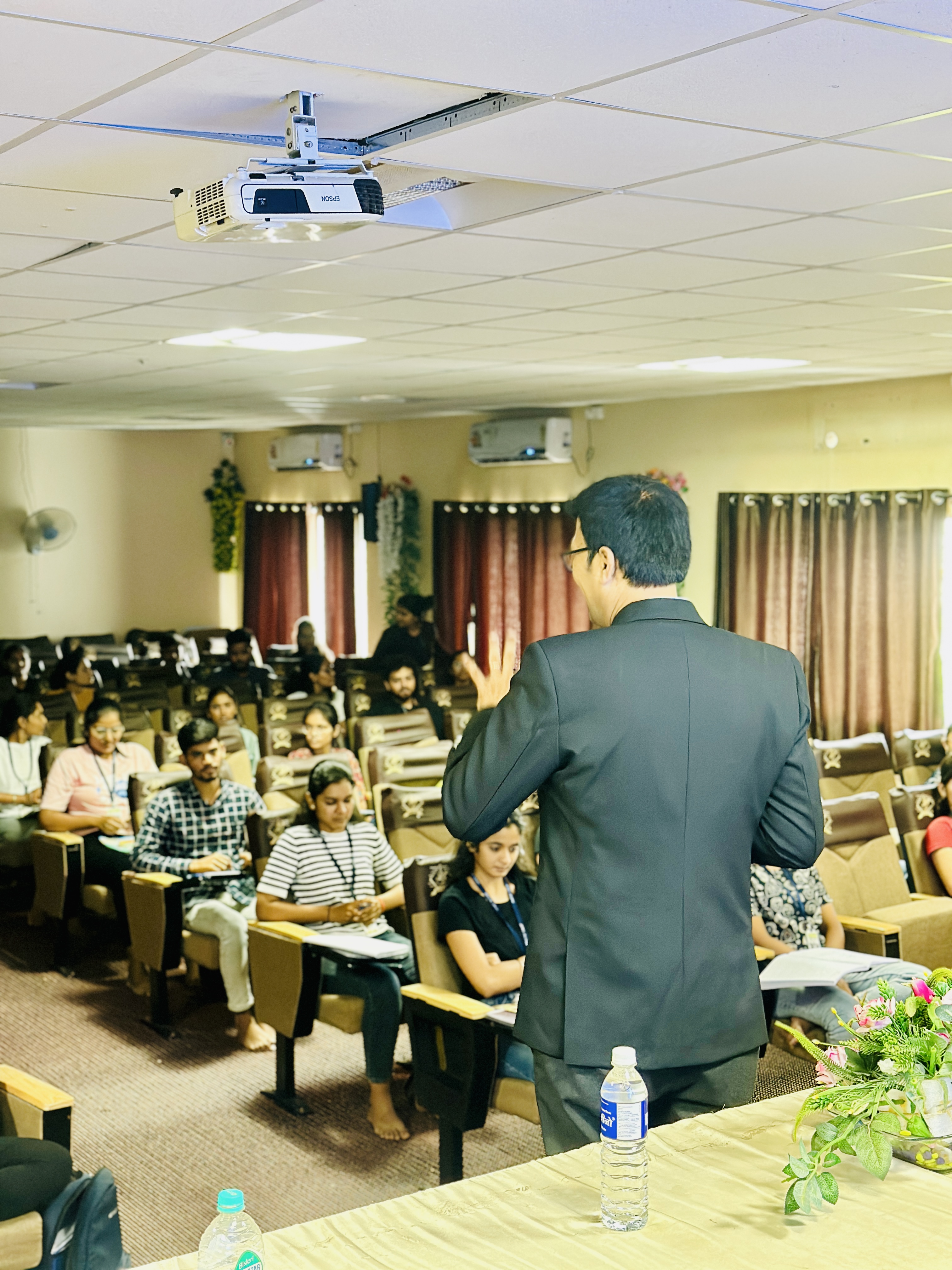
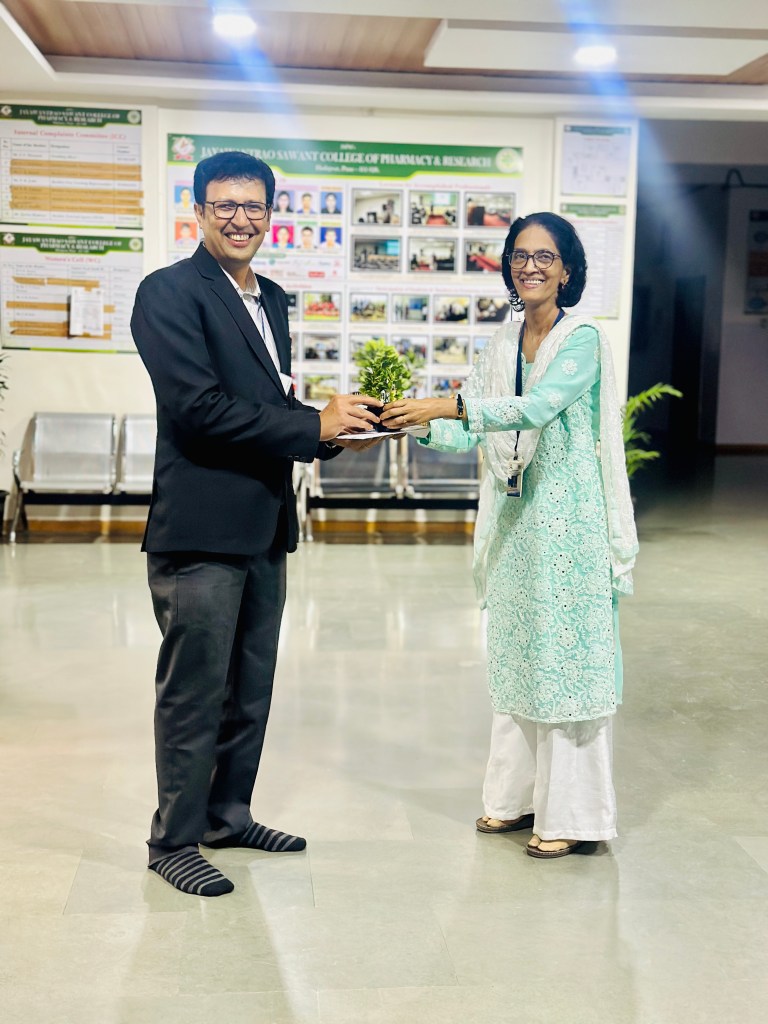
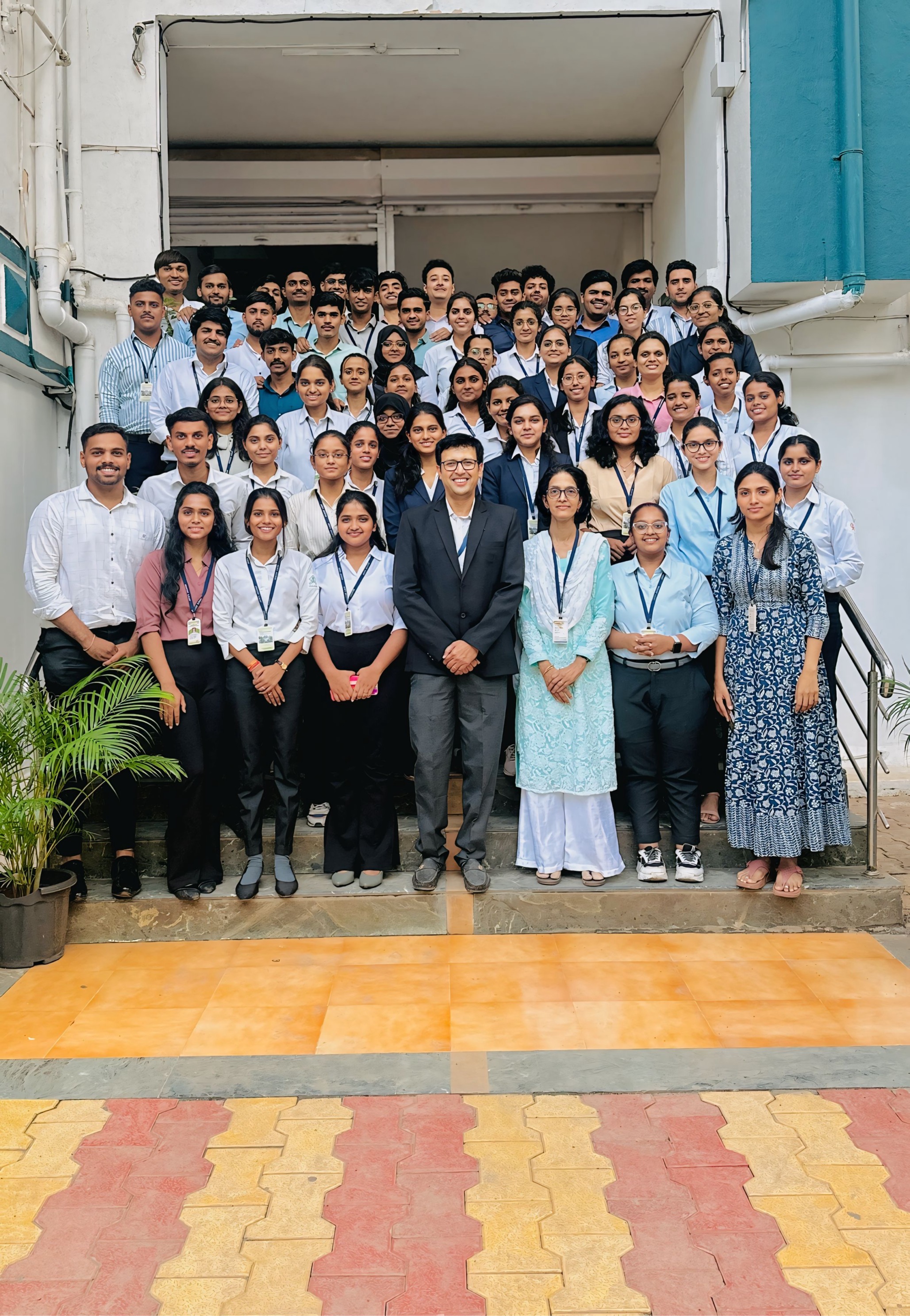
It was a great experience to conduct the ‘Soft Skills Training’ for final students of pharmacy, JSPM’S JSCOPR, Hadapsar, Pune.

Thanks to Management, Principal Madam, and ABLES INDIA (https://ablesindia.com/) for the opportunity.

It was a great initiative by the Principal Madam for final-year students to have soft skills sessions for students in their first term. It helped them to develop their personalities and groom themselves professionally before interview skills sessions.

Topics were customized accordingly, which helped students to understand their strengths and weaknesses as a person and professional. Goal setting, Time management, Emotional intelligence, and Presentation skills sessions enhanced their skills.


The 3-days interactive sessions enabled them to discuss and express themselves positively. The activities helped them to enjoy learning.


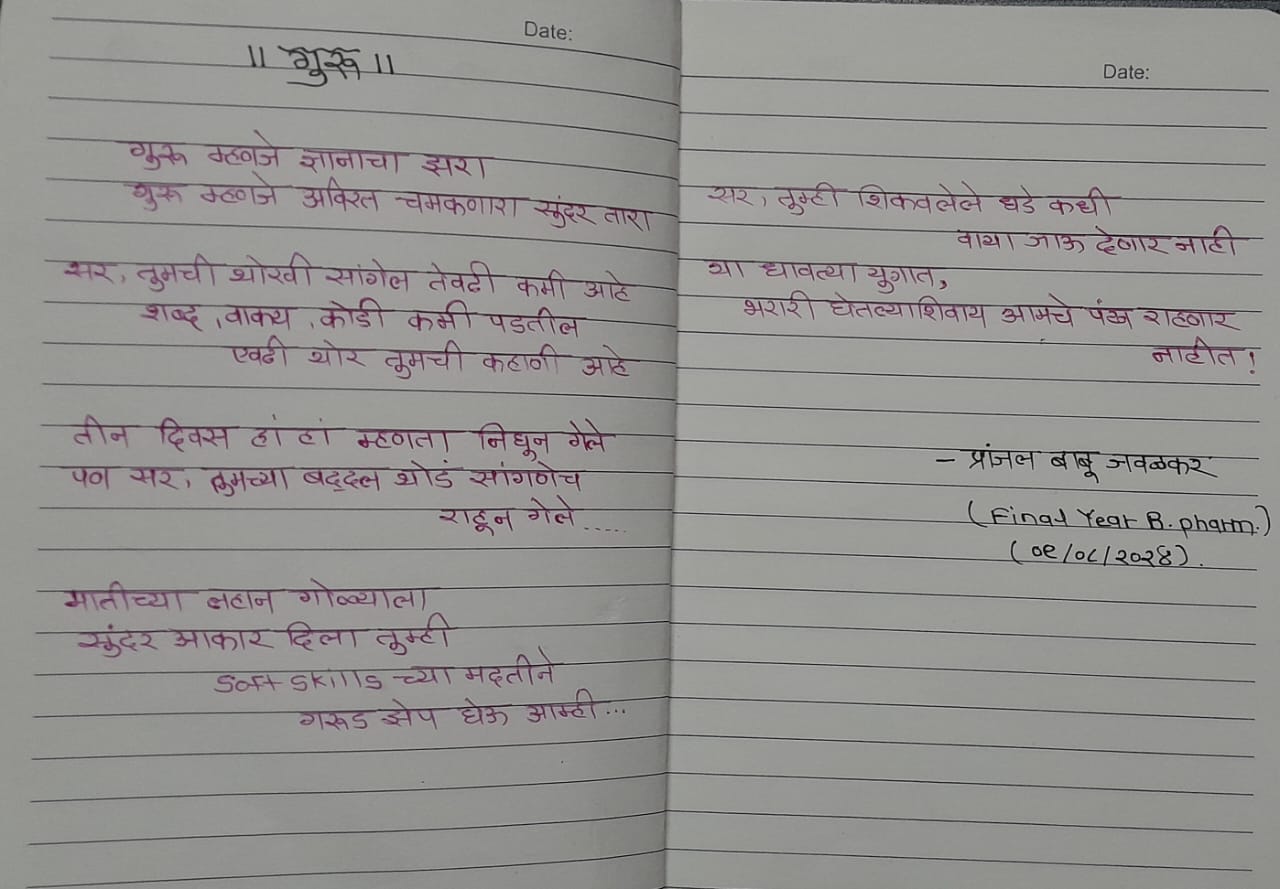
The feedback given by the students and staff for the sessions was overwhelming.

All the best to all students for their bright future!!!

Soft skills training for students

ABLES INDIA has been in training and development for more than eight years. We have a team of passionate trainers who have trained 15,000 participants.

Considering the importance of academics, we have designed a program for students to cope with pressure at the initial stage.

Our program – Campus to Corporate, covers all the factors that can help students perform well.

  • Communication skills
  • Confidence
  • Time management
  • Goal setting
  • Creativity
  • Emotional intelligence
  • Motivation
  • Self-awareness
  • Health
  • Interpersonal Skills
  • Mindset
  • Assertiveness
  • Be resilient
  • Study techniques
  • Stress management
  • Meditation
  • Developing a positive mindset
  • Overcoming procrastination
  • Mental and Intellectual Growth.
  • Decision making
  • Professional or Career Development.
  • Success factors
  • SWOT analysis
  • Leadership
  • Presentation Skills
  • Group Discussion
  • Interview Skills
  • Mock Interview

Please feel free to contact me at dixitamol.17@gmail.com / 9604900458 for further discussion.

https://www.linkedin.com/in/amoldixit17

Staff Training and Development

Training is crucial for human development.

Technically, staff training is a systematic acquisition of attitudes, concepts, knowledge, roles, or skills resulting in improved performance at work.

The need for training for improved productivity has become universally accepted.

  • Training is a systematic development of knowledge, skills, and attitudes required by employees to perform adequately on a given task or job.
  • Training enables them to work towards taking the organization to its expected destination.

The effectiveness and success of an organization depend on the people who form and work within the organization. The process of training and development is a continuous one. 

Training and development is a platform to acquire new knowledge and develop further the skills and techniques to function effectively. It is a process of creating organizational conditions that will cause personnel to strive for better performance.

The benefits of training are as follows:

  • More efficient employees;
  • Increased productivity;
  • Improved quality of work;
  • Improved skills, knowledge, understanding, and attitude;
  • Enhanced use of tools and machines;
  • Reduced waste, accidents, turnover, lateness, absenteeism, and other overhead costs;
  • Enhanced the implementation of new policies ; 
  • Improved innovation.

Objectives of Training and Development are:

  • To improve the qualities of the trainee;
  • To increase personnel efficiency, professional growth, and smooth and more effective organization operations.

Organizations are, therefore, encouraged to train and develop their staff to enhance their effectiveness.

ABLES conducts training for staff on various topics:

  • Communication skills
  • Cross-skill Training
  • Time management
  • Leadership Development
  • Emotional Intelligence
  • Stress Management
  • Conflict resolution
  • Occupational safety and health
  • Diversity, Equity, and Inclusion (DEI)
  • Change management
  • Team Building
  • Leadership
  • Customer Service Excellence
  • New Technologies and Digital Literacy

Please feel free to contact me at dixitamol.17@gmail.com / 9604900458 for further discussion.

www.linkedin.com/in/amoldixit17