आजच्या व्यस्त जगात लोक त्यांच्या जीवनशैलीमध्ये खूपच व्यस्त आहेत. यामुळे त्यांच्या जीवनात तणाव वाढतो आणि अशा प्रकारे त्यांचे वैयक्तिक आणि व्यावसायिक जीवनात अडचणीत येतात. तथापि, हा तणाव कमी करण्यासाठी ते बरेच प्रयत्न करतात सुद्धा, परंतु सर्व व्यर्थ. काही वर्षांनंतर, धकाधकीचे जीवन जगण्याची एवढी सवय होते की ती त्यांची जीवनशैली बनते.
या प्रकारच्या जीवनशैलीची अनेक कारणे आहेत, परंतु प्रमुख म्हणजे भावना दडपून किंवा लपून ठेवणे होय. लहानपणापासूनच, बरेच लोक समाजातील मानकांचा सामना करण्यासाठी त्यांच्या भावना दडपतात. थोड्या वेळाने, त्यांना त्यांची भावना ओळखनेच अवघड होऊन बसते. काहीजणांची भावना ठामपणे व्यक्त करण्याची क्षमता मंदावते.
साथीच्या रोगाने स्थिती आणखी अवघड बनवली आहे. लॉकडाऊनमुळे लोकांना कामाऐवजी स्वत: आणि कुटुंबासमवेत जास्तीत जास्त वेळ घालवावा लागत आहे. आपल्याच भावनाविषयी माहिती नसणे किंवा त्याबद्दल अभिज्ञ असल्यामुळे काही लोकांना स्वत: आणि कुटुंबातील सदस्यांसह खूपच असुरक्षित वाटत आहे. यामुळे लॉकडाऊनमध्ये घरगुती हिंसाचारत वाढ होत आहे.
लपलेल्या गोष्टी नेहमी असुरक्षिततेची आणि भीतीची भावना निर्माण करतात. जेव्हा एखाद्याला त्यांच्या भावना आणि वागण्याविषयी माहिती नसते, तेव्हा त्याच गोष्टींची अधिक भीती वाटते. तसेच, एखादी गोष्ट जास्त दडपलेल्या स्थितीत असेल तर कधीतरी त्याचा उद्रेक होणे निश्चित आहे. हे दडपलेल्या भावनांसाठीही लागू होते.
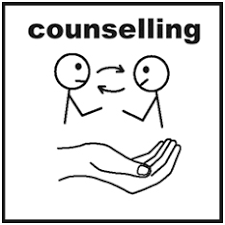
समुपदेशन त्या दडपलेल्या भावना मोकळे करण्यास किंवा त्या लपलेल्या भावना जाणून घेण्यास मदत करते. एकदा एखाद्यास त्यांची माहिती झाली की भावनांचे चांगल्या पद्धतीने व्यवस्थापन करता येते. हे भावनिक बुद्धीमत्ता वाढविण्यास ही मदत करते.
समुपदेशकाशी बोलण्यामुळे राग, अपराधीपणाची भावना आणि गोपनीय वातावरणात भीती यासारख्या भावना व्यक्त करण्यास संधी मिळते.
समुपदेशन दीर्घकालीन शारीरिक आरोग्य समस्या, नोकरी गमावणे, घटस्फोट, आघात आणि अशा अनेक मानसिक आरोग्याच्या समस्यांसह आयुष्यातील अनेक घटना हाताळण्यास मदत करू शकते. शक्यतो, वेगळ्या दृष्टिकोनातून परिस्थिती अधिक स्पष्टपणे पाहण्यास मदत करणे हे समुपदेशनाचे एक उद्दीष्ट आहे…✍️
In today’s hectic world, people are very busy with their scheduled lifestyle. It leads to an increase in stress in their life, thus hampering their personal and professional life. However, they try many things to minimize this stress but all in vain. It further leads to frustrations and disappointments. After some years, it becomes their lifestyle to lead a stressful life.
There are many reasons for this kind of lifestyle, but the prominent one is suppressing or hiding emotions and feelings. Since childhood, many suppress their feelings to cope with society’s standards. After some time, they stop feeling them and become unaware of their emotions. Some lose their ability to express emotions and feelings assertively. They pass on this lifestyle to the next generation.
The pandemic has further worsened the situation. Due to lockdown, people had to spend more time with themselves and family rather than work. Being unaware of feelings and emotions, people feel very insecure with themselves and family members. It further leads to self-harming thoughts and domestic violence.
Hidden things always lead to the feeling of insecurity and fear. The same things happen when someone is unaware of their emotions and behavior.
Counseling helps to release those suppressed or unveil hidden emotions. Once someone becomes aware of them, they can manage them in a better way. It further enhances their emotional intelligence.
Talking to a counselor allows clients to express suppressed feelings such as anger, resentment, guilt, and fear in a confidential environment.
Counseling can help with long-term physical health problems, life events such as losing their job and divorce, trauma, and many other mental health concerns. It is the act of helping the client to see things more clearly, possibly from a different viewpoint…✍️
रोजगाराची कौशल्ये ही वैयक्तिक गुण आणि मूल्ये आहेत जी आपल्याला कोणत्याही कामाच्या ठिकाणी यशस्वी होण्यास साहाय्य करतात.
यांस कधीकधी सॉफ्ट स्किल, एंटरप्राइझ कौशल्ये, दळणवळणाची कौशल्ये किंवा कामाच्या ठिकाणी लागणारी कौशल्य म्हटले जाते;
या प्रकारच्या कौशल्यामुळे तुम्ही तुमच्या पायावर उभे राहू शकता;
ते कामाच्या ठिकाणी मिळणार्या यशाची गुरुकिल्ली आहेत;
ते आपल्याला इतरांसह चांगले कार्य करण्यासाठी प्रोत्साहित करतात, समस्यांचे निराकरण करण्याची प्रेरणा देतात. त्यापैकी काही कौशल्ये खाली नमूद केले आहेत :
१. संभाषण कौशल्य; २. लोकांशी वागण्याचे कौशल्ये; ३. सांघिक कौशल्य; ४. समस्या सोडविण्याचे कौशल्य; ५. नियोजन आणि आयोजन कौशल्य; ६. स्व-व्यवस्थापन; ७. नेतृत्वगुण; ८. भावनिक बुद्धिमत्ता; ९. वाटाघाटी कौशल्य; १०.जीवन कौशल्ये.
आजच्या आधुनिक काळात रोजगार कौशल्यांना महत्त्व दिले जाते कारण ते सहकारी आणि ग्राहकांसह आपले कार्य कसे केले जाते, आपले कार्यप्रदर्शन आणि आपल्या कारकीर्दीतील यशाशी जोडलेले असतात. ते बर्याचदा आपली कार्यक्षमता सुधारतात, चुका कमी करतात आणि आपल्या सहकाऱ्यांशी सहकार्याने वागण्यास प्रोत्साहित करतात, ज्यामुळे आपली भूमिका अधिक प्रभावी आणि सक्षम होते.
रोजगार कौशल्ये आपल्या जीवनातील बर्याच टप्यात विकसित केली जाऊ शकतात – शाळेत, कामाच्या ठिकाणी आणि छंद किंवा खेळाद्वारे. तसेच, आपण त्यांचा विकास निरंतर प्रशिक्षणद्वारे करु शकतो. त्यासाठी अनेक कोचिंग सेशनदेखील उपलब्ध आहेत.
रोजगार कौशल्यांचा विकास आपल्याला नोकरी शोधत असताना इतर उमेदवारांमध्ये सरस ठरण्यास मदत करतात. इतर उमेदवारांकडे समान पात्रता आणि अनुभव असले तरी, आपल्याकडील रोजगार कौशल्ये कामावरील भूमिकेसाठी विशेषतः उपयुक्त ठरतात.
Employability skills are the essential skills, personal qualities, and values that enable you to thrive in any workplace.
These are sometimes called soft skills, enterprise skills, communication skills, or workplace skills;
These types of skills will make you stand out;
They are the key to workplace success;
They allow you to work well with others, apply knowledge to solve problems, and fit into any work environment;
They also include the professional skills that enable you to be successful in the workplace;
They are a set of skills and behaviors that are necessary for every job;
They are the building blocks of your career;
They involve the development of an expertise, knowledge base, or mindset that makes you more attractive to employers.
They often improve your performance, minimize errors and promote collaboration with your co-workers, enabling you to perform your role more effectively.
They include:
Communication;
Interpersonal skills;
Teamwork;
Problem solving;
Planning and organizing;
Self-management;
Leadership;
Adaptability;
Emotional intelligence;
Decision making;
Negotiation skills;
Life skills.
Employers value employability skills because they are linked to how you get along with co-workers and customers, your job performance, and your career success.
Employability skills can be developed in many areas of your life, including at school, at work, and through hobbies and sport. One can develop it by continuous training and development. One can also take coaching/mentoring sessions for developing employability skills.
The main benefit of developing these traits is that they can help you stand out among other job candidates who are looking for the same position. While other candidates may have the same qualifications and experience, you may have a better chance of getting hired, if you have employability skills that are particularly useful for the role.
Acceptance in human psychology is a person’s assent to the reality of a situation, recognizing a process or condition (often a negative or uncomfortable situation) without attempting to change it or protest it.
In any unexpected situation, we go through many thoughts and keep on asking questions such as:
What do I have right now?
What am I experiencing?
Why it is happening to me?
Why me?
It further gives to series of unwanted thoughts leading to fear and insecurity. It further instills a habit of worrying.
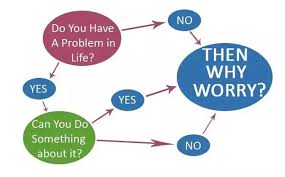
There is a beautiful pictorial presentation on how one should respond to a situation rather than worrying.
Acceptance means, “surrender to the Now.”
It is a positive response to anything occurring in any moment of life.
To simplify, acceptance means allowing; allowing unwanted private experiences (thoughts, feelings, and urges) to come and go without struggling with them.
One can only practice Acceptancewhen there is Self-acceptance.
It is being satisfied with one’s current self. It is an agreement with oneself to appreciate, validate, and support the self as it is, despite deficiencies and negative past behavior.
Many have trouble accepting themselves because of guilt, trauma, or a perceived lack of motivation. To accept self means to no longer reject self.
Self-rejection is bad for health. There are certain negative behaviors associated with it:
They feel isolated and lonely and excluded;
They lack healthy eating habits;
They tend to spend sedentary lifestyle rather than exercise;
They do not sleep well.
People with self-rejection desire to be accepted among friends as part of that group, and act upon that desire through social pressure. A desire to be accepted by others determines their openness towards unwanted behaviors like smoking, drinking, swearing, and more. They tend to impress others than expressing themselves. It further hampers their self-identity.
The key to a happy and prosperous life is to accept self, accepting what is happening in life with a positive attitude.
Practice self-acceptance;
Accept the situation as it is;
Look for mentor / coach who can help you to analyze, understand, and accept.
Our country – India is a land of great personalities. Among them is The Great King – Chhatrapati Shivaji Maharaj. He is known as ‘The Father of the Indian Navy.
Many institutes in the world consider him as a ‘Management Guru.’
There are many inspiringlessons one can learn from his life and implement them for success in personal and professional life. I have noted down few lessons to be learned from his life :
Respect
Respect for self;
Respect for parents;
Respect for teachers;
Respect for mentors;
Respect for women:
Respect for people working for you and working with you;
Respect for everyone.
2. Emotional Intelligence
Emotional intelligence helps to understand, use, and manage emotions in positive ways to relieve stress;
It helps to communicate effectively;
It helps in empathizing with others;
It helps to maintain personal as well as professional relationships;
It helps in handling any situation effectively;
It helps in overcoming challenges.
3. Positive Attitude
Attitude plays a major role in success;
A positive attitude helps in seeing opportunity even in adversity;
It helps to be optimistic;
It helps to learn from every event and situation of life;
It helps to develop a ‘ never give up attitude.
It helps to develop an’ I can’ attitude.
4. Self-confidence
Self-confidence helps to face any situation in life;
Continuous practicing can help in developing it;
One can develop it by learning new lessons and then implementing them.
5. Analytical abilities
It helps in analyzing self – knowing strengths and weaknesses (SWOT).
It helps in understanding the situations and people involved, from a broader perspective.
6. Be a good learner
It helps to improve skills;
It helps to enhance knowledge;
It helps to learn new things;
It helps to keep up with times;
It helps in improving skills;
It helps in developing new skills.
7. Good communication skills
Good communication skills help to listen to what others have to say;
It helps in reading between the lines;
It helps in developing and understanding verbal ( listening, speaking, reading, and writing) as well as non-verbal ( body language, tone, facial expressions, eye contact ) communications;
It helps in communicating assertively;
It helps in developing good negotiation skills.
8. Planning
Setting goals:
Prioritizing them;
Implement the lessons learned to achieve those goals.
9. Dedication
It helps to be committed to achieving goals;
t helps to overcome all the problems/issues/challenges;
It refrains from giving excuses.
A follower of Great King – Chhatrapati Shivaji Maharaj
Fatty liver disease is becoming increasingly common in many parts of the world, affecting many people globally. Fatty liver occurs when too much fat builds up in liver cells. Although it is normal to have a tiny amount of fat in these cells, the liver is considered fatty if more than 5% of it is fat.
Fat accumulation and inflammation damages the liver cells. This can lead to fibrosis, or scar tissue, as liver cells are repeatedly injured and die off. Fatty liver is linked to an increased risk of other diseases, including heart disease, diabetes, and kidney disease.
Several factors may cause or contribute to developing fatty liver:
Obesity;
Excess belly fat;
Excess belly fat;
High intake of refined carbs;
Insulin resistance;
Sugary beverage consumption;
Impaired gut health.
Most of the times, there are some signs of fatty liver:
Fatigue and weakness;
Slight pain or fullness in the right or center abdominal area;
Elevated levels of liver enzymes;
Elevated insulin levels;
Elevated triglyceride levels.
There may be symptoms of fatty liver:
Loss of appetite;
Nausea and vomiting;
Moderate to severe abdominal pain;
Yellowing of eyes and skin
One can follow the following steps to get rid of fatty liver :
In my training sessions, I help my clients to understand an attitude and how important it is.
Attitude is a way of feeling or acting toward a person, thing, or situation. Many people may not always be aware of their attitude or the effect it is having on behavior.
There are two types of attitudes : Negative or Positive.
Let’s try to understand what is a positive attitude and its importance.
Studies have also shown that having a positive attitude makes your view of life seem broad, full of possibilities. Positive thinking helps with stress management and can even improve your health.
A positive attitude is a state of mind that envisions and expects favorable results;
A positive attitude means positive thinking. It is optimism and maintaining a positive mindset. It is a mental attitude that focuses on the bright side of life. In other words, positive thinking is the process of creating thoughts that create and transform energy into reality;
A positive mind waits for happiness, health, and a happy ending in any situation;
A positive attitude doesn’t mean ignoring life’s troubles. It just means being an optimist and looking for the good in things rather than being a pessimist.
A positive attitude is a guide to leading a positive life.
Maintaining a positive attitude through the ups and downs is necessary for every aspect of life: your social status, your work, your health, and your relationships.
A positive attitude brings positive opportunities;
A positive attitude can land you in successful or win-win situations;
A positive attitude will help you to get well from illness due to its placebo effects;
A positive attitude makes your presence enjoyable;
A positive attitude will lead you to a successful life.
Here are some steps to be in a positive frame of mind:
Know yourself;
Keep a gratitude journal;
Maintain a circle of positive people;
Develop your personality;
Enhance your abilities and skills;
Reframe your challenges.
Accept failures;
Use positive words to describe your life;
Stop complaining;
Try to find the good in everything;
Just Breathe;
Have solutions when pointing out problems;
Smile;
Make others smile.
A Positive Attitude is a must for Happy and Prosperous Life.
As exam dates are approaching, the atmosphere in many houses changes drastically.
Students appearing for SSC, HSC, and final year examinations are the ones experiencing these changes.
Parents put all their efforts so that their children score good marks in exams. It is the same scenario we see each year during exams.
Even after all the efforts, some students, though intelligent, somehow fail to perform as per their potentials in exams.
The situation further worsens when parents and relatives, without knowing the exact reason, comment – Thoda aur padhai ki hoti toh aur acche marks aate. It further demoralizes the students.
I do conduct individual sessions as well as sessions for institutes on – Exam and stress management. It received a positive and overwhelming response from students and their parents as well as institutes.
The one common observation I had during my sessions is that students know about the implications if they don’t do good in exams, but they are unaware of the bright future they will have if they do well in exams.
Students should be made aware of the importance of exams in their life and career. It will help them to see exams as an opportunity and platform to prove their worth. Students should be made aware of other benefits of appearing in exams and doing well in them.
It is the responsibility of parents to believe in the abilities of their children. They should encourage students to succeed positively.
परीक्षेची तारीख जसजशी जवळ येत आहे, तसतसे अनेक घरांमधील वातावरणात मोठ्या प्रमाणात बदल होत आहेत.
एसएससी, एचएससी आणि अंतिम वर्षाच्या परीक्षेस बसणारे विद्यार्थी आणि पालक, हे बदल जास्त प्रमाणात अनुभवत आहेत.
परीक्षेत चांगले गुण मिळावेत म्हणून विद्यार्थ्याबरोबर पालकही प्रयत्न करतात. पण, सर्व प्रयत्नांनंतरही काही विद्यार्थी हुशार असूनही परीक्षेत त्यांच्या योग्यतेनुसार गुण मिळवण्यात काही प्रमाणात अपयशी ठरतात.
परिस्थिती तेव्हा थोडी बिकट होते जेव्हा पालक आणि नातेवाईक कारण न कळता टिप्पणी करतात ” थोडा अजून अभ्यास केला असता तर अजून गुण मिळाले असते.” यामुळे विद्यार्थ्यांची आणखी निराशा होते.
मी परीक्षा व ताण व्यवस्थापन या विषयांवर सत्र आयोजित करतो. याला विद्यार्थी आणि त्यांचे पालक तसेच संस्थांकडून सकारात्मक आणि चांगला प्रतिसाद मिळाला आहे.
माझ्या सत्रांदरम्यान मी एक सामान्य निरीक्षण केले, ते म्हणजे विद्यार्थ्यांना परीक्षेत चांगले गुण न मिळाल्यास होणाऱ्या वाईट परिणामांविषयी माहिती असते, परंतु परीक्षेत चांगले गुण मिळाले तर उज्ज्वल भविष्याबद्दल त्यांना माहिती थोडी कमी असते.
विद्यार्थ्यांनी त्यांच्या जीवनात आणि करिअरमध्ये परीक्षांचे महत्त्व जाणून घ्यायला हवे. परीक्षा म्हणजे त्यांची योग्यता सिद्ध करण्यासाठी संधी आणि व्यासपीठ म्हणून पाहण्यास मदत होईल. विद्यार्थ्यांना परीक्षेला बसण्याचे आणि त्यामध्ये चांगले कामगिरी करण्याच्या इतर फायद्यांविषयी जागरूक केले पाहिजे.
मुलांच्या क्षमतांवर विश्वास ठेवण्याची जबाबदारी ही पालकांची आहे. त्यांनी विद्यार्थ्यांना सकारात्मकतेने यशस्वी होण्यासाठी प्रोत्साहित केले पाहिजे.