Simple Diet for Health and Fitness

In our current lifestyle, diet plays a crucial role in health and fitness, as hectic schedules often leave us with less time for physical activity. Dieting doesn’t mean starvation; it means eating the right food in the right quantity, at the right time, and in the right way to obtain proper nutrition.

Scientific research has proven that fitness depends 70% on what you eat. Consequently, many health-related issues stem from improper dietary habits. Every balanced diet must include seven essential factors: carbohydrates, protein, fats, fiber, vitamins, minerals, and water. A well-balanced diet keeps both the body and mind strong, helps ward off numerous diseases, maintains a healthy body weight, boosts energy, improves sleep, strengthens immunity, and enhances brain function.

While dieting is often hyped as a complicated process requiring constant expert monitoring, it is actually as simple as eating regular food mindfully. Below are a few simple tips to help you enjoy your favorite foods in optimal proportions while maintaining your health.

1. Drink Plenty of Water

The human body consists of approximately 70% water. On average, an individual should consume about 3 liters of water daily through fluids and food. Daily needs vary based on activity level, weight (approx. 30–35 ml per kg of body weight), and environment.

Tip: Drink water whenever you feel thirsty. Always carry a reusable bottle. A simple way to monitor hydration is by checking your urine color; clear or light yellow indicates you are well-hydrated.

2. Never Skip Breakfast

Metabolism is at its peak in the morning, meaning breakfast provides more effective nutrition than other meals. It is the most important meal of the day because it breaks the overnight fasting period, replenishing glucose levels to boost energy, alertness, and metabolism.

Skipping breakfast can lead to fatigue and often causes overeating later in the day, potentially leading to unhealthy weight gain.

3. Eat at Least One Fruit a Day

Fruits are a vital source of energy and low-calorie nutrition. Eating at least one fruit daily (such as a banana, apple, or orange) supports weight management due to high water and fiber content. They are also packed with antioxidants, Vitamin C, Vitamin A, and potassium.

Tip: Go Local and Seasonal: Seasonal and local foods are recommended because they are more nutrient-dense, harvested at peak ripeness, and cost less. They align with your body’s natural seasonal needs and reduce the environmental impact of long-distance transportation.

4. Eat for Hunger, Not Emotions

Emotional eating is the practice of using food to manage stress, boredom, or sadness rather than satisfying physical hunger. This often leads to sudden cravings for high-calorie “comfort” foods. Try to listen to your body’s actual hunger cues before reaching for a snack.

5. Avoid Heavy Meals After 7 PM

Avoiding heavy meals 2–3 hours before sleep improves digestion and promotes better sleep. Eating late can lower your metabolic rate and disrupt blood sugar regulation.

Tip: To manage intake at night, try using smaller plates to minimize portion sizes.

6. Maintain a Minimum Calorie Intake

To stay fit, ideal calorie intake typically ranges from 30 to 45+ kcal per kg of body weight, depending on activity levels. A sedentary person needs roughly 30 kcal/kg, while very active individuals may require over 45 kcal/kg.

The generally recommended minimum daily intake is 1,200 calories for women and 1,500 calories for men. Dropping below these levels without medical supervision can lead to muscle loss and a slowed metabolism. Aim for a diet higher in protein (nuts, beans, pulses) and lower in simple carbohydrates.


Consultant Dietitian and Fitness Professional

Obesity

Obesity is a disorder involving excessive body fat that increases the risk of health problems. Obesity often results from consuming more calories than are expended through exercise and normal daily activities.

Obesity is a complex disease characterized by excessive fat accumulation in the body, which can lead to various health problems. It’s defined as a Body Mass Index (BMI) of 30 or higher. While often associated with being overweight, obesity is distinct and signifies a higher level of body fat that poses significant health risks.

Obesity occurs when a person’s body mass index (BMI) is 25 or greater. Excessive body fat increases the risk of serious health problems.

Other than BMI, other factors to measure obesity –

Waist circumference is the measurement of your waist at its narrowest point, typically around your belly button. Excess abdominal fat, measured by waist circumference, is associated with increased health risks. (Recommended Waist Circumference: For adult men, a waist circumference below 40 inches is generally recommended, and for women, below 35 inches)

Waist-to-Hip Ratio compares fat distribution around the waist and hips, with higher ratios indicating greater health risks.

Excess fat means the presence of excessive body fat, which can negatively impact health.

Lifestyle factors that cause obesity:

  • Diet: Diets high in calories, processed foods, and sugary drinks contribute to weight gain.
  • Physical Activity: Lack of physical activity and sedentary lifestyles increase the risk of obesity.
  • Sleep: Inadequate sleep can disrupt hormones that regulate appetite and metabolism.
  • Genetics: Genes can influence metabolism, appetite, and fat storage.
  • Other Factors: Medical conditions, medications, and environmental factors can also play a role.

Five symptoms of obesity include: excessive weight gain, shortness of breath, increased sweating, snoring, and difficulty sleeping. People may experience pain in the back or joints.

Health Risks: Obesity is a major risk factor for numerous diseases, including type 2 diabetes, heart disease, certain cancers, and more.

Increased Risk of Chronic Diseases: Obesity is a significant risk factor for type 2 diabetes, heart disease, stroke, certain cancers, and other conditions.

Reduced Quality of Life: Obesity can negatively impact physical and mental health, leading to social isolation and discrimination.

Obesity in India is a growing concern, driven by a combination of factors including unhealthy dietary patterns, sedentary lifestyles, and socioeconomic shifts. Increased consumption of processed foods, sugary drinks, and larger portion sizes, coupled with reduced physical activity due to urbanization and desk jobs, are major contributors. Additionally, genetic predisposition, stress, and certain medications can also play a role.

India ranked second globally in overweight and obesity cases.

In India, obesity is a growing public health concern, with significant increases in both adults and children. Approximately 24% of Indian women and 23% of Indian men are overweight or obese.

Treatments:

Treatment consists of lifestyle changes. The mainstay of treatment is lifestyle changes such as diet and exercise.

Lifestyle Modifications:

Dietary Changes: A balanced, calorie-controlled diet, often involving a registered dietitian’s guidance, is crucial. This may involve reducing portion sizes, choosing nutrient-rich foods, and increasing fiber intake to support a healthy diet.

Increased Physical Activity: Regular exercise, including both aerobic activity (like brisk walking, swimming, or cycling) and strength training, is essential for burning calories and building muscle mass.

Behavioral Therapy: This helps individuals identify and modify unhealthy eating and activity patterns, develop coping strategies for triggers, and build motivation for sustained lifestyle changes.

Dietitian and Fitness Professional

Surya Namaskar

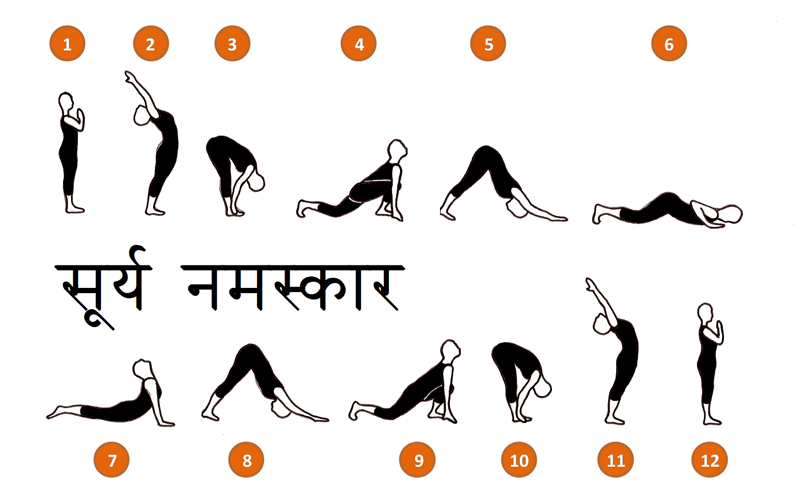
Surya Namaskar or Sun Salutation is a sequence of 12 powerful yoga poses. These poses consist of 8 asanas and 4 asanas are repeated. All the 12 steps are done in proper sequence to complete the process of one round of Surya Namaskar. Besides being a great cardiovascular workout, Surya Namaskar is also known to have an immensely positive impact on the body and mind.

Besides good health, Surya Namaskar also provides an opportunity to express gratitude to the sun for sustaining life on this planet.

The name, Surya Namaskar is from the Sanskrit सूर्य Sūrya, “Sun” and नमस्कार Namaskāra, “Greeting” or “Salute”. Surya is the Hindu god of the sun. This identifies the Sun as the soul and source of all life.

According to legend, the yoga sequence known as Surya Namaskar, or Sun Salutation, originated for Hanuman to show his gratitude to his teacher, the sun god Surya, so he created a series of graceful movements to honor his teacher. The sequence of movements became known as Surya Namaskar, a way to celebrate the Sun god and Hanuman.

The Sun Salutation is often practiced at the beginning of a yoga session. When you practice Surya Namaskar, it’s not only a tribute to the Sun God (the Guru) but also a sign of respect for Lord Hanuman (the Shishya), the greatest devotee of Lord Ram.

Indian tradition connects the 17th-century saint Samarth Ramdas with Surya Namaskara exercises.

Every Hindu Should Practice Surya Namaskar

Surya Namaskar Asanas and Mantra

  1. Tadasana – ॐ मित्राय नमः
  2. Urdhva Hastasana – ॐ रवये नमः
  3. Padahastasana – ॐ सूर्याय नमः
  4. Anjaneyasana – ॐ भानवे नमः
  5. Parvatasana – ॐ खगाय नमः
  6. Ashtanga Namaskara – ॐ पूष्णे नमः
  7. Bhujangasana – ॐ हिरण्यगर्भाय नमः
  8. Parvatasana – ॐ मरीचये नमः
  9. Ashva Sanchalanasana – ॐ आदित्याय नमः
  10. Padahastasana – ॐ सवित्रे नमः
  11. Urdhva Hastasana – ॐ अर्काय नमः
  12. Tadasana – ॐ भास्कराय नमः

Surya Namaskar is a complete body workout that boosts flexibility, strength, and stamina. This yoga sequence involves a series of postures and breathing exercises. It stretches your muscles, making you more flexible, while also building your physical strength. Plus, it enhances your endurance over time.

Benefits of doing Surya Namaskar daily

These twelve Surya Namaskar steps improve health and have multiple other benefits, which include –

  • Promotes cardiovascular wellness, which brings a glow to your face; improves the elasticity of the skin, thus preventing the onset of wrinkles, and makes your skin look radiant.
  • Activates the nerve system
  • Aids in muscle stretching, flexing, and toning
  • It helps in controlling weight. Regularly practicing Surya Namaskar can help with weight loss and keeping a healthy body weight. This is because Surya Namaskar is a holistic exercise that burns calories, boosts metabolism, and improves digestion. By doing it regularly, you can shed excess weight and maintain a balanced body weight.
  • Improves immune system performance
  • Improves cognitive abilities
  • It enhances general health, builds muscle, and calms the mind.
  • Enhances the smooth functioning of your digestive system.
  • Support in developing a steady and comfortable meditation posture.
  • Suryanamaskara has developed into a practice of twelve postures that weave together to generate prana (subtle energy), aiming towards the purification and rejuvenation of the practitioner. 
  • Suryanamaskara has a holistic effect and brings body, mind, consciousness, and soul into balance.

The ideal time to perform Surya Namaskar is during sunrise while facing towards the sun. Even if you miss your Surya Namaskar during sunrise/morning). Just make sure you do it with an empty stomach and don’t miss your Surya Namaskar practice.

Surya Namaskar sculpture at Delhi airport

Healthy and Fit

Health is a state of complete physical, mental, and social well-being, not merely the absence of disease or infirmity. It involves a holistic view of an individual’s well-being, including their ability to function, cope with the environment, and realize their potential. 

  1. Physical Health: This refers to the functioning of the body’s systems, including organs, tissues, and cells. It encompasses factors like physical fitness, nutrition, and protection from disease. 
  2. Mental Health: This relates to an individual’s emotional, psychological, and social well-being. It includes aspects like mental stability, emotional regulation, and the ability to cope with stress and challenges. 
  3. Social Health: This focuses on an individual’s relationships and interactions with others, as well as their sense of belonging and community. It includes aspects like social skills, communication, and the ability to form and maintain healthy relationships. 

Fitness, in general, refers to the state of being physically healthy and strong, and the ability to perform everyday activities with vigor and without undue fatigue. It encompasses both physical and mental well-being, enabling individuals to carry out daily tasks effectively and enjoy leisure activities with ample energy.

  1. Physical Fitness: It is a state of health and well-being and, more specifically, the ability to perform aspects of sports, occupations, and daily activities. This encompasses the ability to perform daily tasks without fatigue, maintain strong muscles and bones, and improve cardiovascular health. It involves multiple aspects, including:
  • Cardiorespiratory endurance: The ability of the heart and lungs to deliver oxygen to working muscles. 
  • Muscular strength: The ability of a muscle to exert force.
  • Muscular endurance: The ability of a muscle to exert force over a prolonged period.
  • Flexibility: The ability of joints to move through a full range of motion. 
  • Body composition: The proportion of fat to fat-free mass. 

2. Mental Fitness: This involves managing stress, improving mood, and enhancing cognitive function through regular physical activity.

  • Emotional Intelligence: This includes the ability to recognize, understand, and manage your own emotions, as well as the emotions of others. 
  • Stress Management: Developing healthy coping mechanisms to deal with stress and adversity. 
  • Self-Awareness: Understanding your thoughts, feelings, and behaviors, and how they impact your well-being. 
  • Resilience: The ability to bounce back from setbacks and adapt to change. 
  • Positive Mindset: Cultivating a positive outlook and finding the good in situations. 
  • Cognitive Abilities: Enhancing cognitive functions like focus, memory, and critical thinking. 
  • Social Connectedness: Maintaining healthy relationships and feeling supported by others. 
  • Help-Seeking Behavior: Knowing when and how to ask for support when needed. 

Importance of being healthy and fit:

  • Increased Energy: A healthy body provides the energy needed to perform daily activities and enjoy life. 
  • Reduced Risk of Chronic Diseases: Making healthy choices can significantly reduce the risk of developing chronic diseases like heart disease, stroke, and diabetes. 
  • Improved Mental Health: Physical activity and a healthy lifestyle can also improve mental well-being by reducing stress, anxiety, and depression. 
  • Enhanced Immunity: A healthy body is better equipped to fight off infections and illnesses. 
  • Better Sleep: Regular physical activity and a healthy diet can lead to improved sleep quality. 
  • Improved health: Reduces the risk of chronic diseases like heart disease, diabetes, and certain cancers. 
  • Enhanced energy levels: Helps to feel less tired and more energetic throughout the day. 
  • Increased physical capacity: Enables individuals to perform daily tasks and activities with greater ease. 
  • Improved mental health: Can reduce stress, improve mood, and enhance cognitive function. 
  • Being healthy and strong: Having the capacity to perform everyday tasks and activities. 
  • Having sufficient energy: Being able to tackle daily routines and enjoy leisure time without feeling drained. 
  • Maintaining a balanced lifestyle: Including regular physical activity, proper nutrition, and stress management. 
  • Improved Well-being: Mental fitness contributes to overall psychological and emotional health. 
  • Enhanced Coping Skills: It equips you with the tools to navigate life’s challenges and setbacks. 
  • Better Decision-Making: A mentally fit mind can make clear, reasoned decisions. 
  • Increased Resilience: You are better able to withstand stress and bounce back from adversity. 
  • Improved Relationships: Mental fitness fosters healthy relationships and social connections. 
  • Increased Productivity and Creativity: A mentally healthy mind is more focused, productive, and creative. 

Here’s a more detailed look at how to incorporate health and fitness into your life:

  • Be mindful of what you doing.
  • Aim for at least 30 minutes of moderate-intensity exercise most days of the week, such as brisk walking, cycling, or dancing. 
  • Incorporate a variety of activities: like strength training, flexibility exercises, and balance workouts to work different muscle groups and keep your routine interesting.
  • Find activities you enjoy: to make exercise a sustainable part of your lifestyle.
  • Consider incorporating physical activity into your daily routine, like taking the stairs instead of the elevator or walking during your lunch break. 
  • Focus on Fat loss rather than weight loss.
  • Eat a balanced diet: that includes a variety of fruits, vegetables, whole grains, lean protein, and healthy fats. 
  • Focus on nutrient-rich foods: and limit processed foods, sugary drinks, and unhealthy fats. 
  • Stay hydrated by drinking plenty of water: throughout the day. 
  • Aim for 7-9 hours of quality sleep per night: to support your physical and mental health. 
  • Create a relaxing bedtime routine: to help you wind down before sleep. 
  • Avoid screens and caffeine before bed: to promote better sleep quality. 
  • Practice relaxation techniques: such as meditation, yoga, or deep breathing to reduce stress. 
  • Engage in activities you enjoy: to help you relax and recharge. 
  • Connect with others: and build strong social connections to support your mental well-being. 
  • Set realistic goals: and prioritize tasks to avoid feeling overwhelmed. 
  • Consult a Counselor/ Dietitian/Fitness Professional/Health Coach.

In essence, health and fitness in life is about optimizing physical and mental health to live a more fulfilling and active life, reducing the risk of various health problems, and enhancing overall quality of life. 

Fitness Professional and Health Coach