A morning routine is important because it sets a predictable, calm structure that reduces stress, sharpens mental focus, and boosts physical energy for the day ahead.
Simple actions like drinking water, getting morning sunlight exposure, light stretching or exercise, and eating a balanced breakfast wake up your body naturally.
Drinking water first thing in the morning is important primarily because it rehydrates your body after 6 to 8 hours of sleep without fluids.
Overnight fasting and breathing leave you mildly dehydrated, which can trigger fatigue, headaches, and poor concentration; drinking water quickly restores fluid and blood volume.
Rehydrating upon waking improves alertness, reaction times, and short-term memory. Water stimulates the gastrocolic reflex—helping the colon contract and supporting morning bowel movements—while flushing out the mouth and diluting night-time bacteria that cause dry mouth and bad breath. Proper morning fluids help your kidneys filter waste and lower the concentration of stone-forming acids.
Breakfast is important because it fuels your body and brain after an overnight fast.
After sleeping for up to 12 hours, your liver’s glycogen stores are low. Breakfast replenishes your blood sugar (glucose), which your brain and muscles need to function.
Eating a morning meal enhances attention, concentration, memory, and academic or work performance.It delivers crucial vitamins, minerals, calcium, iron, and fiber that your body needs throughout the day.
A balanced breakfast containing protein and fiber helps you feel full, prevents mid-morning energy crashes, and reduces unhealthy snacking.
The weight of watermelon with 75% is 50 kg. what would be the weight of the same watermelon with 90% water.
The weight of the watermelon with 90% water would be 125 kg.
Tip – Find the constant solid mass. A watermelon consists of water and solid matter. The amount of solid matter stays exactly the same when the water content changes.
Initial total weight:
Initial water percentage= 90%
Solid percentage= 100%-90% = 10%
New water percentage= 75%
Solid percentage= 100%- 75%=25%
New Total weight = 50 kg
Weight of solid mass = 50 x 0.25 = 12.5 kg
So the initial solid mass weight would also be 12,5 kg.
So the initial weight of watermelon would be =
.10 x 12.5 = 125kg.
————————————————————————-
2. A shopkeeper marks the price 20% higher and then increases it by another 5%. Find the total profit percentage.
1. Assume Cost Price as ₹.100.
Let the original cost price be ₹.100.
First Increase
The shopkeeper marks the price 20% higher.
First marked price =100+(20% of 100)
=100+20=120
Second Increase
The shopkeeper increases this new price by another 5%.
Final selling price =120+(5% of 120)
=120+6=126
Total Profit = SP – CP
126 – 100 = ₹. 26
The profit percentage is calculated based on the original cost price.
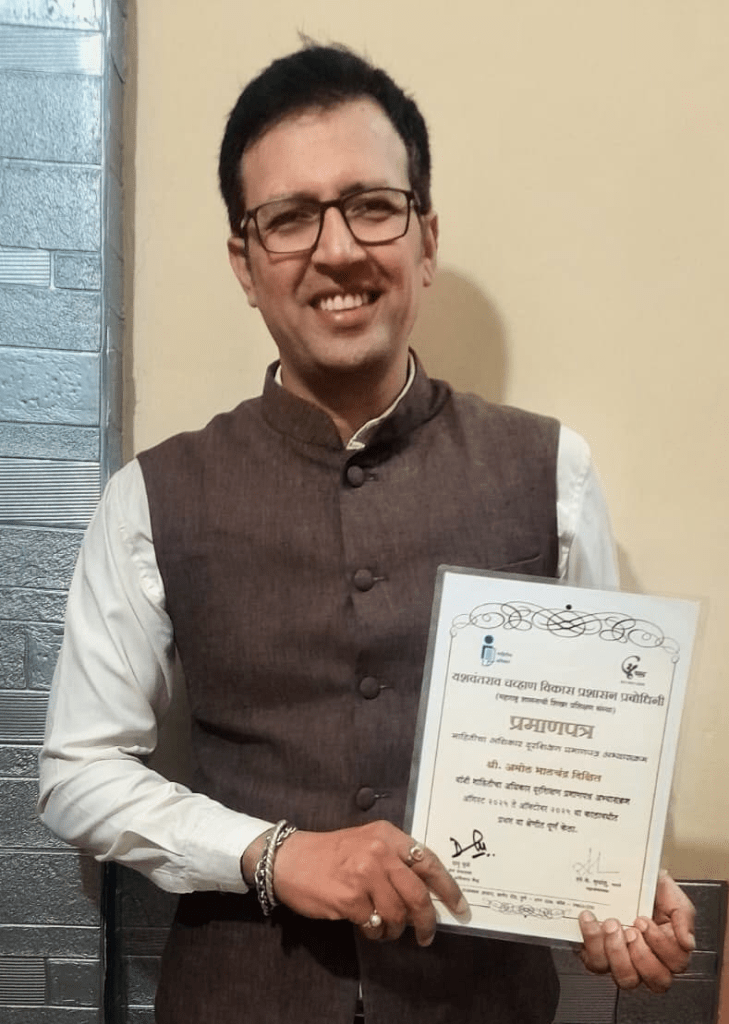
माझे नुकतेच RTI (माहितीचा अधिकार) कायद्याचे प्रशिक्षण पुण्यातील यशवंतराव चव्हाण विकास प्रशासन प्रबोधिनी (यशदा), महाराष्ट्र शासनाचे सर्वोच्च प्रशासकीय प्रशिक्षण केंद्र, येथे पूर्ण झाले. ह्या प्रशिक्षणात RTI चे महत्व, तसेच देश आणि समाजाच्या हितासाठी त्याचा कसा वापर करावा ह्याचे उत्तमरित्या प्रशिक्षण देण्यात आले.
होय, माहितीचा अधिकार (RTI) हा पूर्णपणे कायदेशीर आहे. भारतात, ‘माहितीचा अधिकार कायदा, २००५’ (Right to Information Act, 2005) द्वारे समर्थित असा हा एक कायदेशीररीत्या लागू करता येण्याजोगा वैधानिक अधिकार आहे. हा कायदा नागरिकांना सार्वजनिक प्राधिकरणांच्या नियंत्रणाखालील नोंदी किंवा माहिती मिळवण्यासाठी विनंती करण्यास सक्षम करतो, ज्यामुळे प्रशासनात पारदर्शकता आणि उत्तरदायित्व येते.
जरी RTI हा एक वैधानिक कायदेशीर अधिकार असला, तरी भारताच्या सर्वोच्च न्यायालयाने असा निर्णय दिला आहे की, माहितीचा अधिकार हा भारतीय संविधानातील ‘भाषण आणि अभिव्यक्ती स्वातंत्र्याच्या’ मूलभूत अधिकाराशी (अनुच्छेद १९(१)(अ)) अविभाज्यपणे जोडलेला आहे.
हा एक कायदेशीर अधिकार आहे, जो नागरिकांना सार्वजनिक प्राधिकरणे आणि सरकारी संस्थांकडे असलेल्या नोंदी, कागदपत्रे आणि माहिती मिळवण्यासाठी अधिकृतपणे विनंती करण्याची मुभा देतो. ही प्रणाली पारदर्शकता वाढवण्यासाठी, सरकारला उत्तरदायी धरण्यासाठी तयार करण्यात आली आहे.
सरकारी कामांची पाहणी करण्यासाठी, अधिकृत कागदपत्रांच्या प्रमाणित प्रती मिळवण्यासाठी, अर्जांची सद्यस्थिती जाणून घेण्यासाठी किंवा सार्वजनिक सेवांमधील विलंबाबाबत प्रश्न विचारण्यासाठी तुम्ही अर्ज करू शकता.
संबंधित प्राधिकरणांवर ठराविक कालावधीत प्रतिसाद देण्याचे कायदेशीर बंधन असते. भारतात, सामान्य विनंत्यांना सहसा ३० दिवसांच्या आत उत्तर देणे आवश्यक असते; मात्र, जर बाब एखाद्या व्यक्तीचे जीवन किंवा स्वातंत्र्याशी संबंधित असेल, तर ४८ तासांच्या आत उत्तर देणे बंधनकारक असते.
माहितीचा अधिकार (RTI) कायद्यांतर्गत, केवळ भारताचे नागरिकच अर्ज करण्यास पात्र आहेत. यासाठी सहसा वयाची कोणतीही किमान अट नसते, परंतु अल्पवयीन व्यक्तींनी अर्ज करताना त्यांना या प्रक्रियेची समज असणे अपेक्षित असते.
पात्र नागरिक त्यांचे अर्ज प्रत्यक्ष जाऊन, टपालाद्वारे किंवा इलेक्ट्रॉनिक पद्धतीने सादर करू शकतात. अधिकृत ‘RTI ऑनलाइन पोर्टल’चा वापर करून तुम्ही केंद्र सरकारची मंत्रालये आणि विविध राज्य विभागांकडे ऑनलाइन अर्ज करू शकता. तुम्हाला इंग्रजी, हिंदी किंवा त्या क्षेत्रातील अधिकृत स्थानिक भाषेत अर्ज लिहावा लागतो, आवश्यक अर्ज शुल्क भरावे लागते आणि तो अर्ज थेट संबंधित सार्वजनिक प्राधिकरणाच्या ‘जन माहिती अधिकाऱ्याकडे’ (PIO) सादर करावा लागतो.
RTI अंतर्गत विनंत्या केवळ “सार्वजनिक प्राधिकरणांकडे” (public authorities) उपलब्ध असलेल्या माहितीसाठीच केल्या जाऊ शकतात. यामध्ये संविधानाद्वारे स्थापन केलेल्या संस्था, संसद किंवा राज्य विधिमंडळाने मंजूर केलेल्या कायद्यांनुसार स्थापन झालेल्या संस्था, किंवा सरकारकडून मोठ्या प्रमाणावर अर्थसहाय्य मिळणाऱ्या अथवा सरकारचे थेट किंवा अप्रत्यक्ष नियंत्रण असलेल्या संस्थांचा समावेश होतो.
कोणताही भारतीय नागरिक सरकारी संस्था, विभाग, स्थानिक प्राधिकरणे आणि सरकारकडून अनुदान मिळवणाऱ्या काही स्वयंसेवी संस्थांकडून (NGOs) माहिती मिळवण्यासाठी RTI अर्ज दाखल करू शकतो.
सार्वजनिक प्राधिकरणांवर RTI अर्जाची दखल घेऊन त्यावर ३० दिवसांच्या आत उत्तर देणे कायदेशीररीत्या बंधनकारक आहे.
जरी बहुतेक माहिती उपलब्ध करून दिली जात असली, तरी कायद्यानुसार काही संवेदनशील तपशील उघड करण्यापासून स्पष्टपणे सूट देण्यात आली आहे; उदाहरणार्थ, अशी माहिती ज्यामुळे राष्ट्रीय सुरक्षा, वैयक्तिक गोपनीयता किंवा गोपनीय विश्वासार्ह संबंध धोक्यात येऊ शकतात.
माहितीचा अधिकार (RTI) अत्यंत महत्त्वाचा आहे कारण तो नागरिकांना सरकारवर देखरेख करण्यास सक्षम करतो, पारदर्शकता व उत्तरदायित्वाला चालना देतो. हा अधिकार नागरिकांना केवळ ‘प्रजा’ (किंवा केवळ आदेश पाळणारे) या भूमिकेतून बाहेर काढून ‘सक्रिय भागधारक’ बनवतो, जे सार्वजनिक प्राधिकरणांना त्यांच्या निर्णयांसाठी आणि कृतींसाठी जबाबदार धरू शकतात.
माहितीचा अधिकार (RTI)ची रचना अनेक महत्त्वपूर्ण उद्दिष्टे साध्य करण्यासाठी करण्यात आली आहे:
• पारदर्शकता: हा कायदा सरकारी नोंदी आणि निर्णयांची माहिती मिळवण्याची हमी देतो; यामुळे सार्वजनिक निधी कसा खर्च केला जातो आणि धोरणांची अंमलबजावणी कशी केली जाते, यावर प्रकाश पडतो.
• उत्तरदायित्व: सरकारी अधिकारी त्यांच्या कामातील विलंब, कृती आणि प्रशासकीय निर्णयांसाठी जबाबदार असतात.
• सक्षमीकरण: यामुळे व्यक्तींना स्वतःची वैयक्तिक माहिती मिळवणे, सरकारी सेवांची (उदा. सार्वजनिक बांधकाम किंवा विद्यापीठातील प्रवेश) सद्यस्थिती जाणून घेणे आणि उत्तरे मागणे शक्य होते.
RTI हा केवळ एक वैधानिक कायदा नाही, तर भाषण आणि अभिव्यक्ती स्वातंत्र्यासारख्या मूलभूत अधिकारांचे रक्षण करणारी एक यंत्रणा आहे.
महत्त्वाचे मुद्दे :
• RTI कायदा नागरिकांना सरकारी संस्थांकडून माहिती मागवण्याची मुभा देतो, ज्यामुळे पारदर्शकतेला चालना मिळते.
• माहिती सहज उपलब्ध करून देऊन या कायद्याने प्रशासनातील लोकांचा सहभाग लक्षणीयरीत्या वाढवला आहे.
In our current lifestyle, diet plays a crucial role in health and fitness, as hectic schedules often leave us with less time for physical activity. Dieting doesn’t mean starvation; it means eating the right food in the right quantity, at the right time, and in the right way to obtain proper nutrition.
Scientific research has proven that fitness depends 70% on what you eat. Consequently, many health-related issues stem from improper dietary habits. Every balanced diet must include seven essential factors: carbohydrates, protein, fats, fiber, vitamins, minerals, and water. A well-balanced diet keeps both the body and mind strong, helps ward off numerous diseases, maintains a healthy body weight, boosts energy, improves sleep, strengthens immunity, and enhances brain function.
While dieting is often hyped as a complicated process requiring constant expert monitoring, it is actually as simple as eating regular food mindfully. Below are a few simple tips to help you enjoy your favorite foods in optimal proportions while maintaining your health.
1. Drink Plenty of Water
The human body consists of approximately 70% water. On average, an individual should consume about 3 liters of water daily through fluids and food. Daily needs vary based on activity level, weight (approx. 30–35 ml per kg of body weight), and environment.
Tip: Drink water whenever you feel thirsty. Always carry a reusable bottle. A simple way to monitor hydration is by checking your urine color; clear or light yellow indicates you are well-hydrated.
2. Never Skip Breakfast
Metabolism is at its peak in the morning, meaning breakfast provides more effective nutrition than other meals. It is the most important meal of the day because it breaks the overnight fasting period, replenishing glucose levels to boost energy, alertness, and metabolism.
Skipping breakfast can lead to fatigue and often causes overeating later in the day, potentially leading to unhealthy weight gain.
3. Eat at Least One Fruit a Day
Fruits are a vital source of energy and low-calorie nutrition. Eating at least one fruit daily (such as a banana, apple, or orange) supports weight management due to high water and fiber content. They are also packed with antioxidants, Vitamin C, Vitamin A, and potassium.
Tip:Go Local and Seasonal: Seasonal and local foods are recommended because they are more nutrient-dense, harvested at peak ripeness, and cost less. They align with your body’s natural seasonal needs and reduce the environmental impact of long-distance transportation.
4. Eat for Hunger, Not Emotions
Emotional eating is the practice of using food to manage stress, boredom, or sadness rather than satisfying physical hunger. This often leads to sudden cravings for high-calorie “comfort” foods. Try to listen to your body’s actual hunger cues before reaching for a snack.
5. Avoid Heavy Meals After 7 PM
Avoiding heavy meals 2–3 hours before sleep improves digestion and promotes better sleep. Eating late can lower your metabolic rate and disrupt blood sugar regulation.
Tip: To manage intake at night, try using smaller plates to minimize portion sizes.
6. Maintain a Minimum Calorie Intake
To stay fit, ideal calorie intake typically ranges from 30 to 45+ kcal per kg of body weight, depending on activity levels. A sedentary person needs roughly 30 kcal/kg, while very active individuals may require over 45 kcal/kg.
The generally recommended minimum daily intake is 1,200 calories for women and 1,500 calories for men. Dropping below these levels without medical supervision can lead to muscle loss and a slowed metabolism. Aim for a diet higher in protein (nuts, beans, pulses) and lower in simple carbohydrates.
प्रवास हा सतत सुरूच असतो, प्रवास हा सतत सुरूच असतो.
Subscribe to get access
प्रवास हा सतत सुरूच असतो, बसलो असेल आपण जरी शांत, तरी मन सैरावैरा पळत असते, कधी भूतकाळात तर भविष्यात डोकावत असते. प्रवास हा सतत सुरूच असतो, प्रवास हा सतत सुरूच असतो.
आपले वय दिसू नये, असे प्रत्येकालाच वाटते, पण कोणाची पर्वा न करता, ते आपले सतत वाढतच असते, मेकअप काय आणि botox काय, त्यावर काहीच कंट्रोल नसतो, प्रवास हा सतत सुरूच असतो, प्रवास हा सतत सुरूच असतो.
जगातील सगळी घड्याळे जरी बंद पडली, तरी समय कधीच थांबत नसतो, सूर्य पूर्वेला आणि चंद्र पश्चिमेला उगवतच असतो, प्रवास हा सतत सुरूच असतो, प्रवास हा सतत सुरूच असतो.
श्वास संपल्यावर, आपला प्रवास थांबला तरी, जगाचा प्रवास, कधीच थांबत नसतो, प्रवास हा सतत सुरूच असतो, प्रवास हा सतत सुरूच असतो.
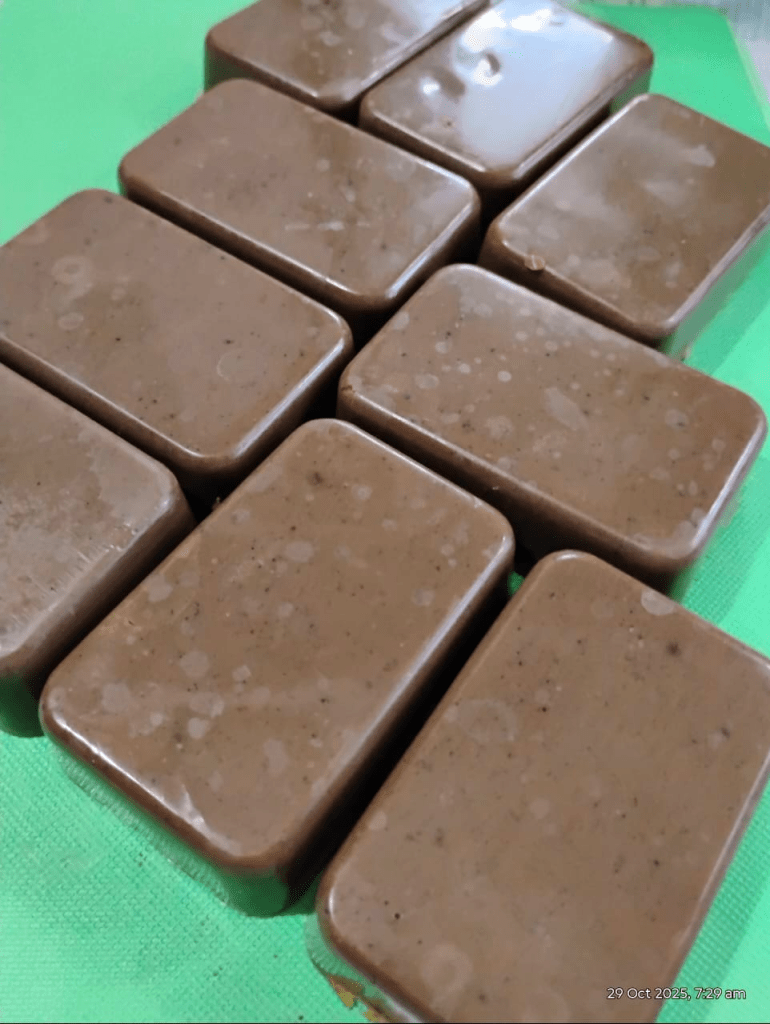
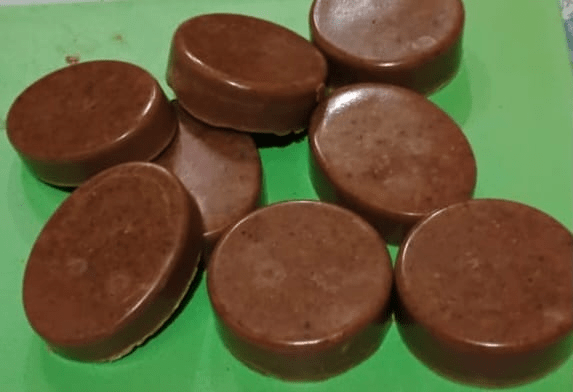
केसांसाठी रसायनयुक्त साबण किंवा शैम्पू वापरणे टाळावे, कारण त्यामुळे केसांतील नैसर्गिक तेल निघून जाते आणि केस कोरडे, ठिसूळ होऊ शकतात. त्याऐवजी, शिकेकाई, रिठा, आवळा साबण सारखे नैसर्गिक साबण वापरावेत जे केस स्वच्छ करतात आणि नैसर्गिक तेल न काढता मऊपणा टिकवून ठेवतात.
केसांसाठी रासायनिक साबण वापरण्याचे तोटे :
सामान्य साबण केसांतील नैसर्गिक तेल काढून टाकतो, ज्यामुळे केस कोरडे आणि कुरळे होतात.
pH पातळीत असंतुलन: साबणांचा pH जास्त असतो, ज्यामुळे केसांची नैसर्गिक आम्लता बिघडते आणि केस कमकुवत होतात.
केसांच्या समस्या: यामुळे कोंडा, खाज आणि केस गळण्याची समस्या उद्भवू शकते.
केसांसाठी योग्य घटक: केसांचे आरोग्य सुधारते आणि ते चमकदार व मुलायम बनतात.
शिकेकाईचे फायदे – नैसर्गिक क्लीन्झर असल्याने टाळू आणि केसांतील अशुद्धी काढून टाकतो, पण नैसर्गिक तेल कमी करत नाही.टाळूला सौम्यपणे स्वच्छ करते आणि नैसर्गिक पीएच संतुलन राखते. केसांमधील घाण आणि अतिरिक्त तेल काढून टाकते.केस कोरडे न करता स्वच्छ करते.
मेहंदीचे फायदे – केसांना नैसर्गिकरीत्या रंग देते, केसांची वाढ होण्यास मदत करते, केसांना मजबूत आणि चमकदार बनवते.
आवळ्याचे फायदे – केस गळणे कमी करते, अकाली केस पांढरे होण्यास प्रतिबंध करते, केसांना मजबूत आणि निरोगी बनवते.
रिठ्याचे फायदे – केसांना नैसर्गिक चमक आणि मुलायमपणा देतो, केसांमधील कोंडा आणि घाण काढण्यास मदत करतो, केसांना नैसर्गिकरीत्या स्वच्छ करते.
केसांसाठी योग्य साबण : हे सर्व घटक एकत्र वापरल्यास केसांचे आरोग्य सुधारते आणि ते चमकदार व मुलायम बनतात. केसांना चमकदार आणि मुलायम बनवण्यासाठी हे मिश्रण खूप उपयुक्त आहे. एकत्र वापर करण्याचे फायदे हे सर्व घटक एकत्र वापरल्यास केस गळती थांबते आणि केस लांब व दाट होतात.
शिकेकाई, मेहंदी, आवळा आणि रिठा यांचा वापर केल्याने –
पूर्वीचे लोक आंघोळी करताना दगड वापरत कारण ते त्वचेवरील घाण आणि मृत पेशी घासून काढण्यासाठी वापरत असत. या प्रक्रियेमुळे त्वचा स्वच्छ, गुळगुळीत आणि निरोगी राहण्यास मदत होत असे.
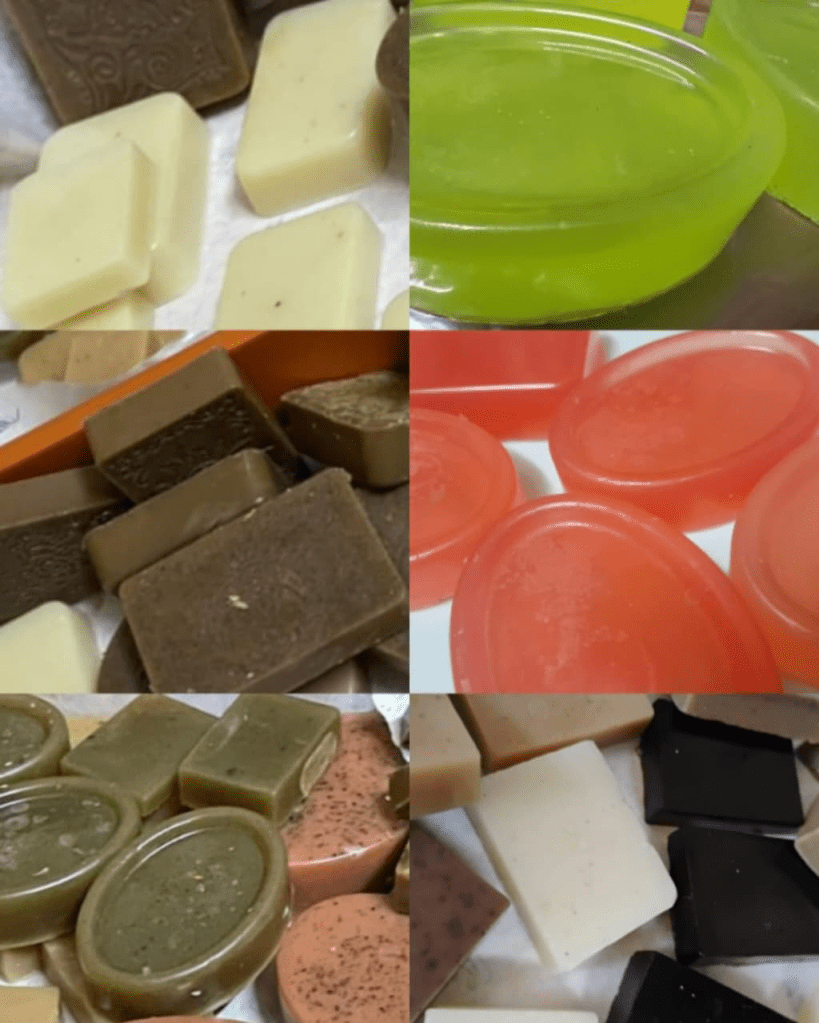
तेच काम Scrubber soap करतात –
त्वचेवरील मृत पेशी काढणे, त्वचा उजळणे आणि मुलायम करणे.
हे साबण त्वचेतील छिद्रं स्वच्छ करतात, काळपट डाग कमी करतात आणि त्वचेला ओलावा देतात.
रक्ताभिसरण सुधारण्यासाठी: पायांना आणि शरीराला घासल्याने रक्ताभिसरण सुधारते, ज्यामुळे ताजेतवाने वाटते.
नैसर्गिक स्वच्छता: नैसर्गिक घटकांमुळे साबण त्वचेची स्वच्छता करण्याचे नैसर्गिक आणि स्वस्त साधन आहे.
स्क्रबर सोप वापरण्याचे फायदे:
मृत त्वचा काढून टाकते: हे साबण त्वचेवरील मृत पेशी काढून टाकण्यास मदत करतात, ज्यामुळे त्वचा ताजीतवानी आणि निरोगी राहते.
त्वचा उजळवते आणि मुलायम करते: मृत पेशी निघून गेल्यामुळे त्वचा अधिक नितळ आणि मऊ होते.
छिद्रं स्वच्छ करते: हे साबण त्वचेतील सूक्ष्म छिद्रं उघडून त्यांना स्वच्छ करतात.
काळपट डाग कमी करते: काही स्क्रबर सोप काळे डाग कमी करण्यास मदत करतात.
त्वचेला ओलावा देते: अनेक स्क्रबर सोपमध्ये शिया बटर, खोबरेल तेल आणि ग्लिसरीन यांसारखे घटक असतात, जे त्वचेला ओलावा देतात.
त्वचेची काळजी घेते: काही साबणांमध्ये हळद आणि कडुलिंब यांसारखे नैसर्गिक घटक असतात, ज्यामुळे त्वचेला फायदा होतो.
वेळेची बचत करते: नियमित स्क्रब करण्यासाठी वेळ काढणे शक्य नसेल, तर स्क्रबर सोपचा वापर करून त्वचेला नियमितपणे स्क्रब करता येते.
मात्र, अति वापर टाळावा. हफ्तातून 2 किंवा 3 वेळाच वापरावा.
Skin is the body’s largest organ, acting as a protective outer covering that shields against germs, injuries, and UV light. It has several crucial functions, including regulating body temperature, preventing water loss, and allowing for the sensation of touch, heat, and cold.
The skin is made of three layers—epidermis, dermis, and hypodermis—and is a key part of the integumentary system, which also includes hair, nails, and glands.
Functions of the skin :
Protection: Acts as a physical barrier against bacteria, chemicals, and other environmental factors.
Temperature regulation: Helps regulate body temperature through blood vessels and sweat glands.
Sensation: Contains nerve endings that allow you to feel things like touch, pain, and temperature.
Vitamin D production: Produces vitamin D when exposed to sunlight.
Water and fat storage: Stores water and fat for the body.
Skin protection :
To protect your skin, limit sun exposure during peak hours (10 a.m. to 2 p.m.), wear protective clothing and hats, use broad-spectrum sunscreen, and stay hydrated.
Stay out of direct sunlight, especially during peak hours.
Wear sun-protective clothing, wide-brimmed hats, and sunglasses that block UV rays.
Use suitable soaps for your skin.
Use gentle moisturizers to prevent dryness.
Drink plenty of water to help keep your skin hydrated.
A healthy diet supports overall skin health.
Bathe in warm, not hot, water and use mild cleansers. Avoid scrubbing harshly.
Stress can negatively affect your skin, so find ways to manage it.